The last day of Wrocław Digital Musicology School!
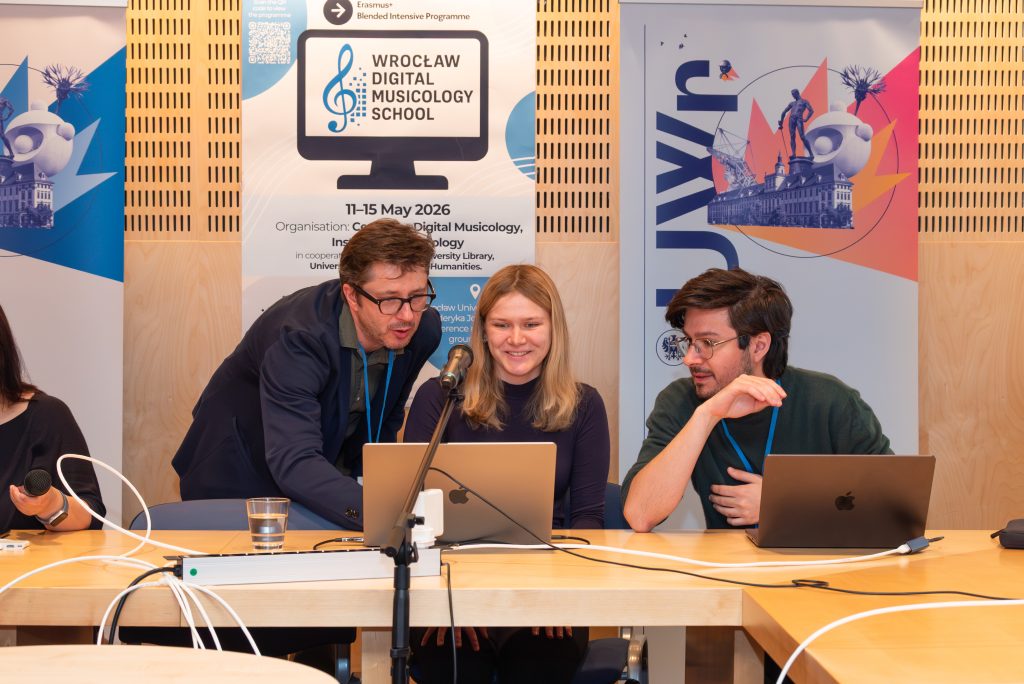
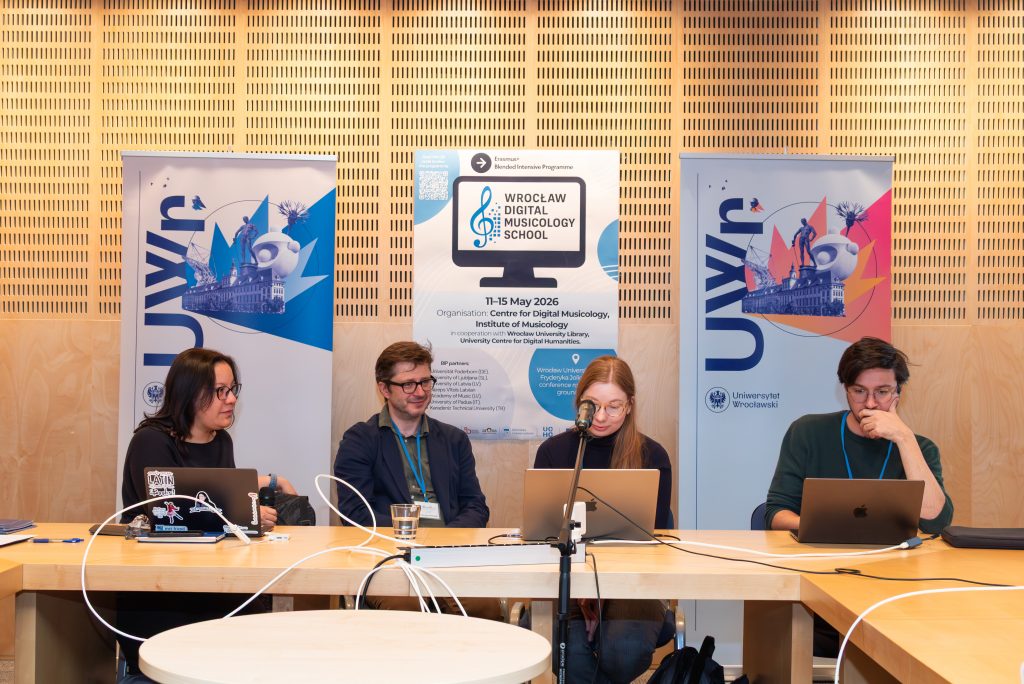
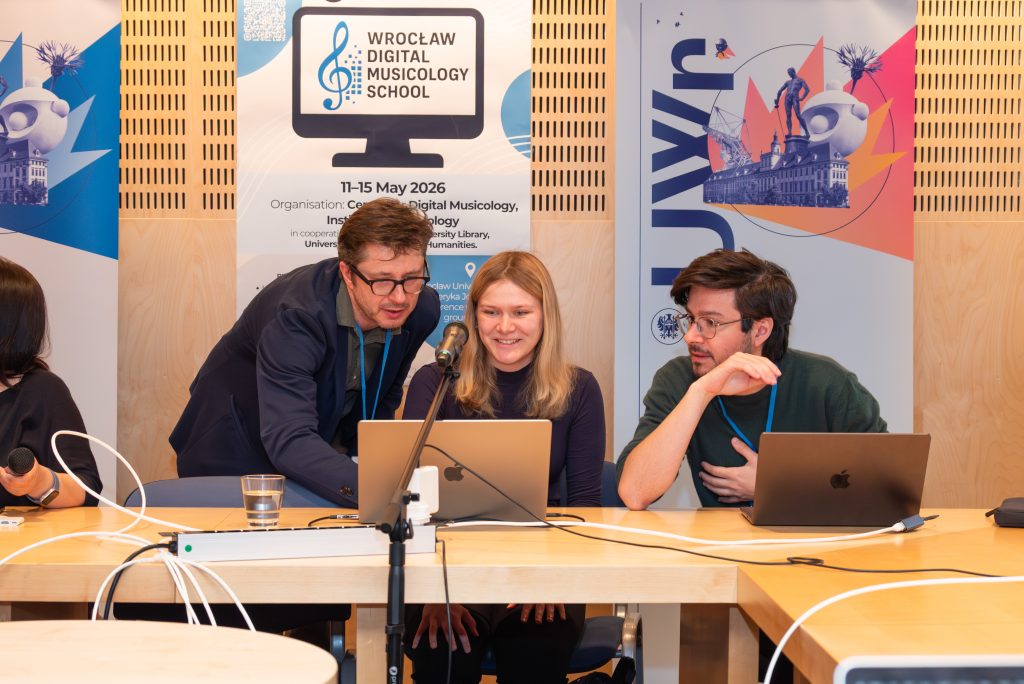
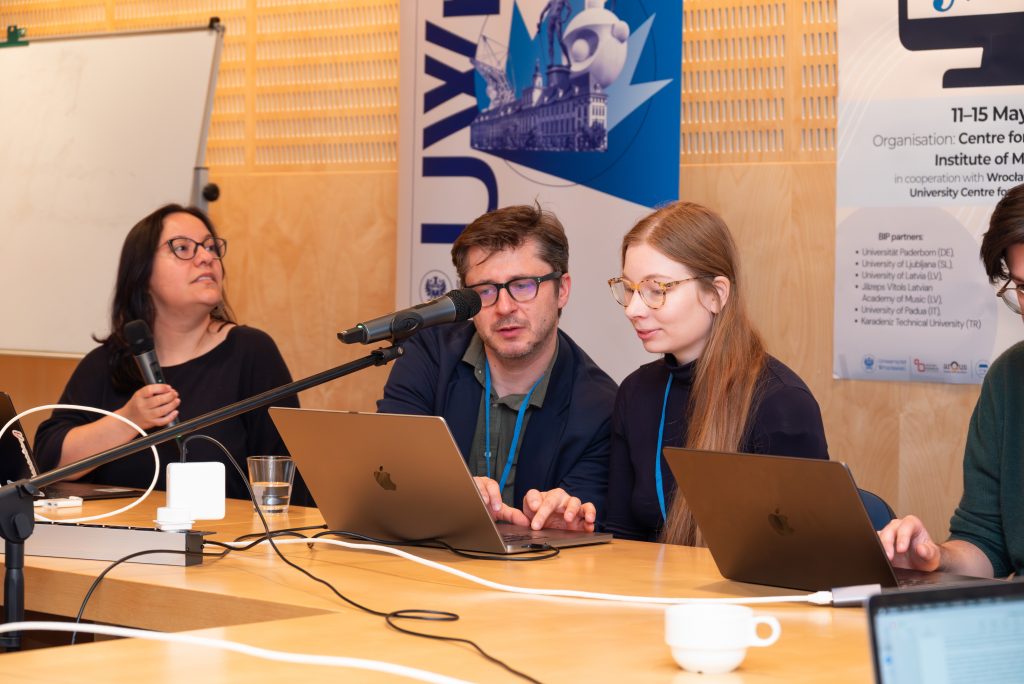
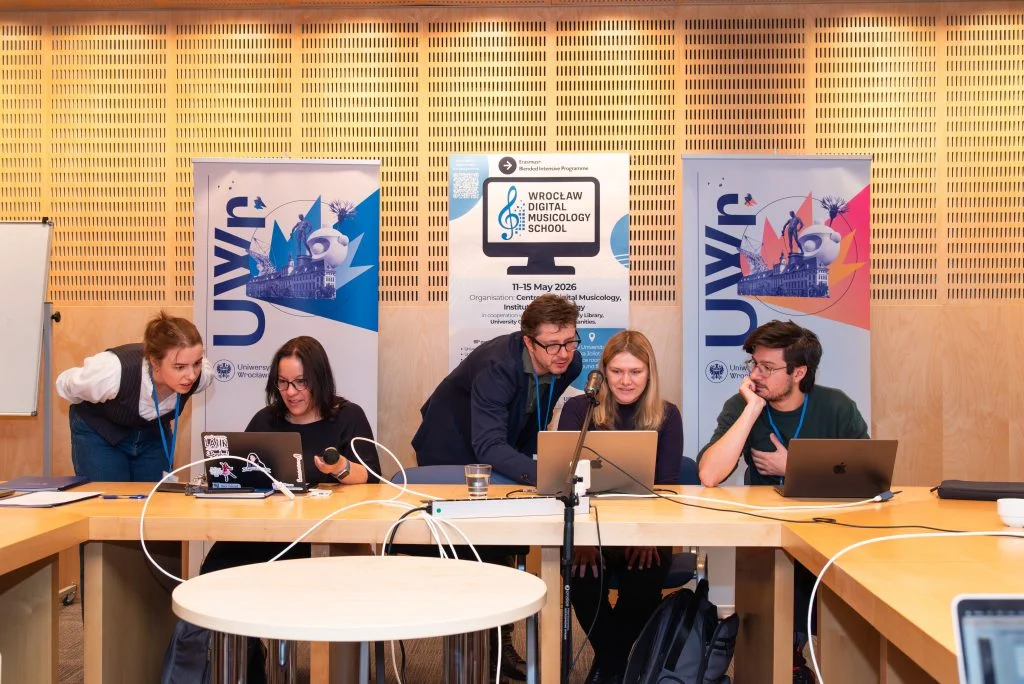
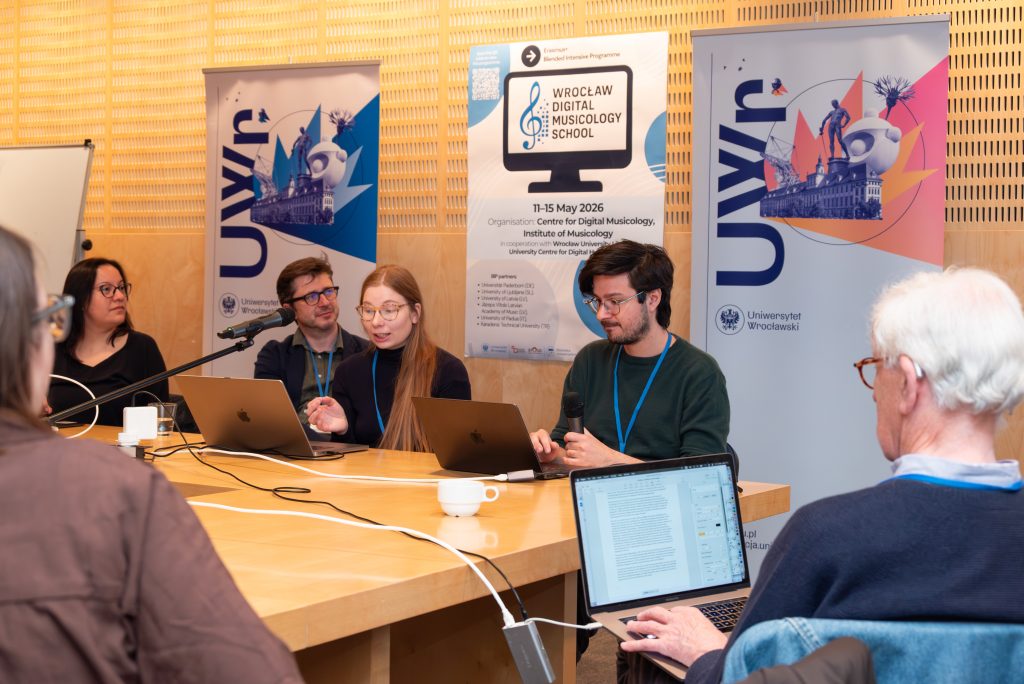
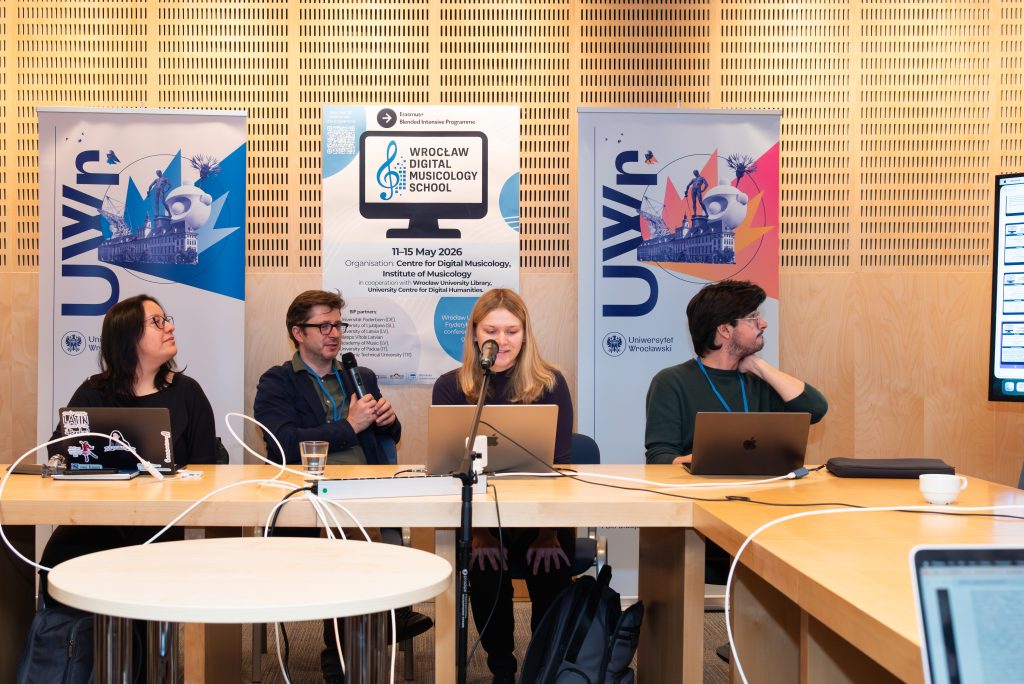
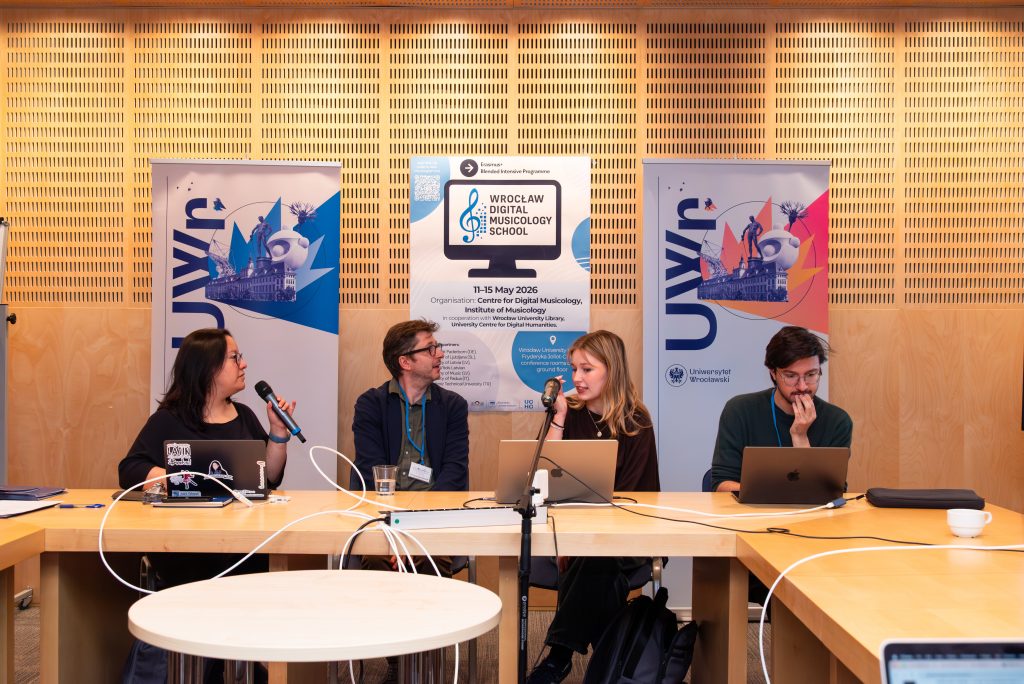
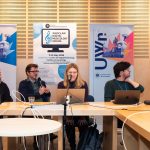
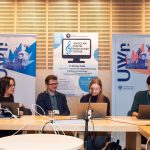
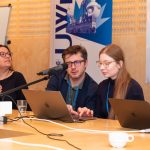
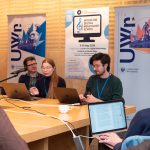
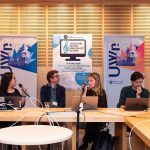
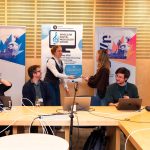
The fifth and final day of the Wrocław Digital Musicology School began on a very active note. Despite the rainy and still sleepy morning, participants started the day by presenting the projects they had been working on throughout the week-long workshops.
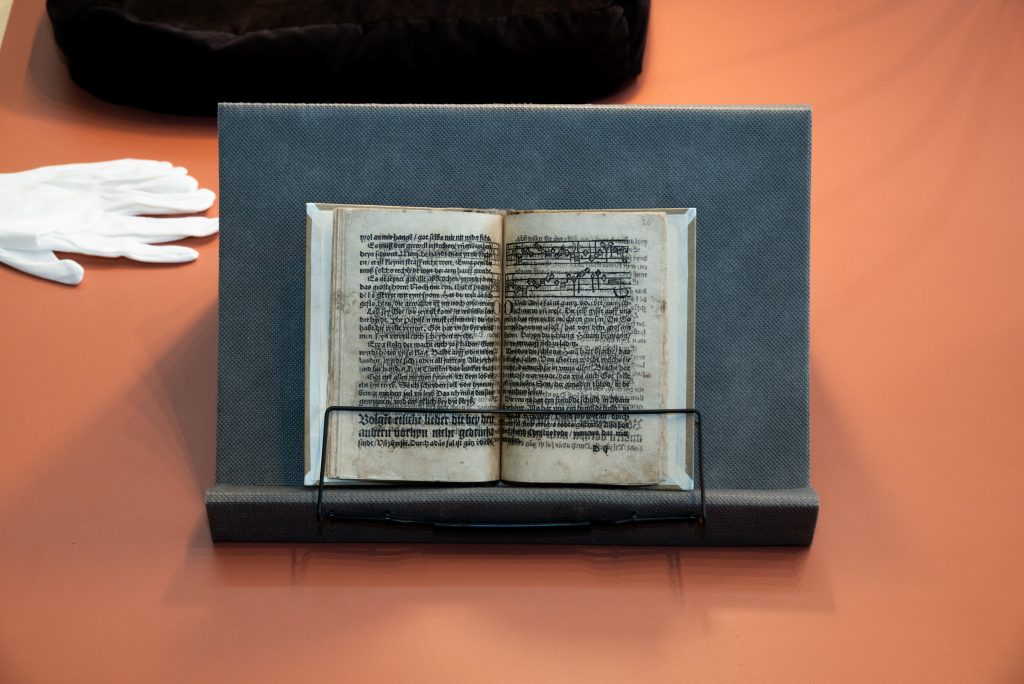
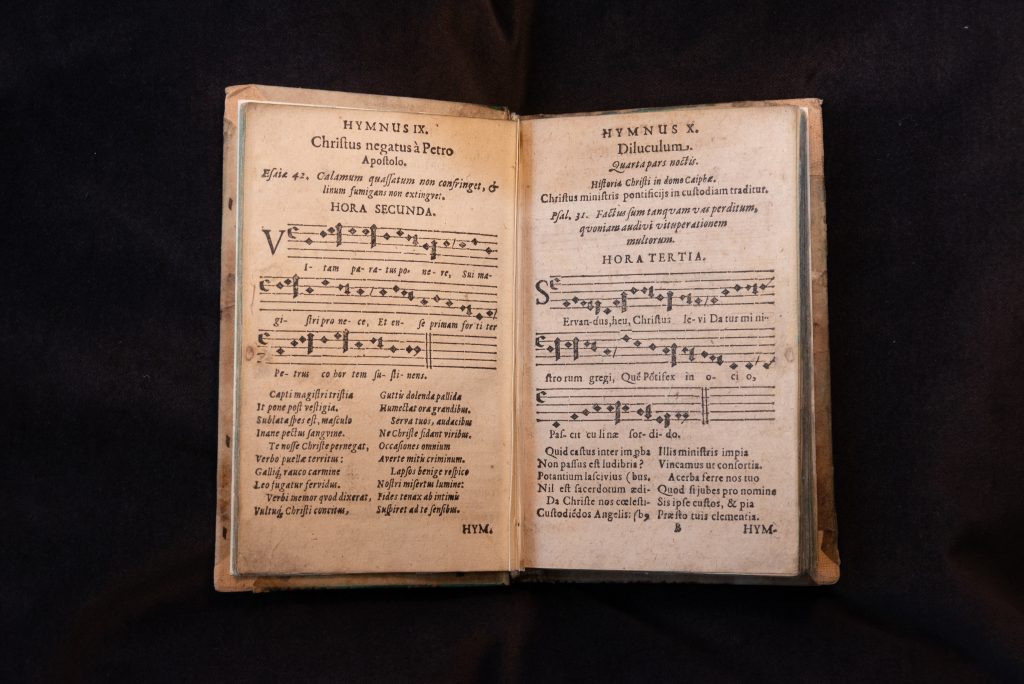
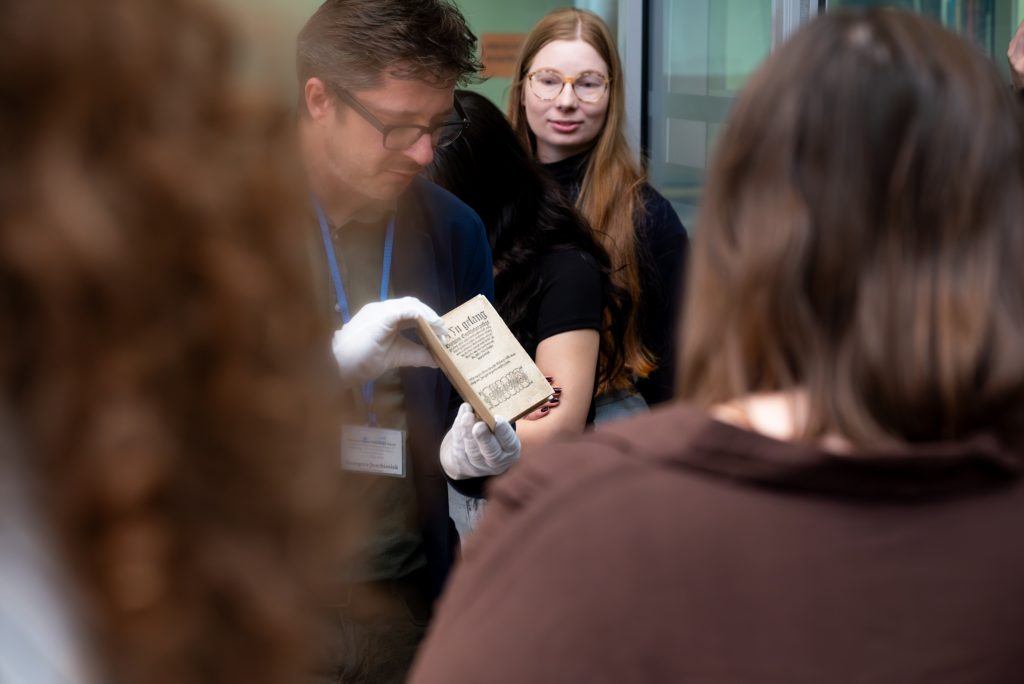
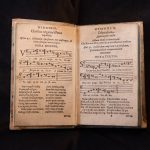
Each participant prepared two music encoding assignments. The first involved encoding a fragment of a song in mensural notation using the MEI standard. The material came from the oldest Wrocław church songbook from the early sixteenth century — Eyn gesang Buchlien Geystlicher gese[n]ge Psalme[n] (https://bibliotekacyfrowa.pl/publication/18466). The second task focused on encoding a fragment of Johann Sebastian Bach’s Lute Suite BWV 995 in the Humdrum language using the .kern format, based on the composer’s autograph manuscript (https://s9.imslp.org/files/imglnks/usimg/8/81/IMSLP36477-PMLP08790-Bach_-Lute_Pieces-_ms.pdf).
Under the attentive guidance of Dr Martha Thomae and Dr Francesco Maccarini, participants reflected on their experiences working with the assignments, discussing which aspects they found more challenging and which felt more intuitive. Interestingly, preferences regarding the tools used were divided almost exactly in half! Some participants clearly preferred working with MEI, while others became enthusiastic supporters of the Humdrum environment.
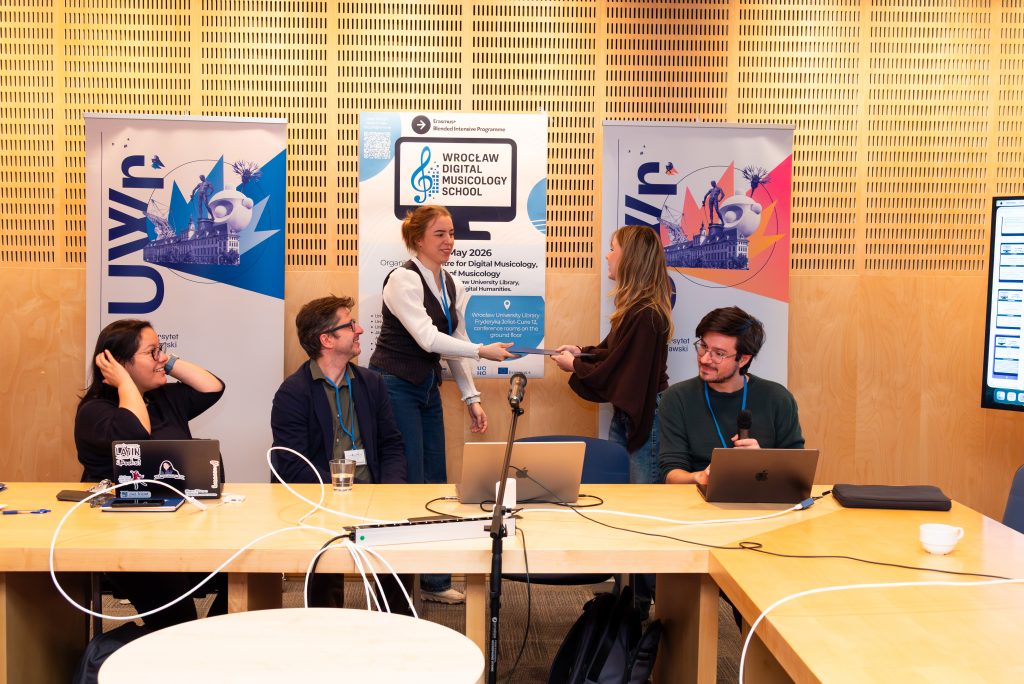
One of the most inspiring aspects of the presentations, however, was the diversity of participants’ backgrounds. Not everyone had formal musical training or the ability to read music notation. Some participants were primarily connected with programming and computer science, including attendees from Karadeniz Technical University in Turkey. Nevertheless, everyone successfully completed the assignments, demonstrating just how interdisciplinary contemporary digital musicology can be. After the presentations, participants received certificates of participation in the Wrocław Digital Musicology School.
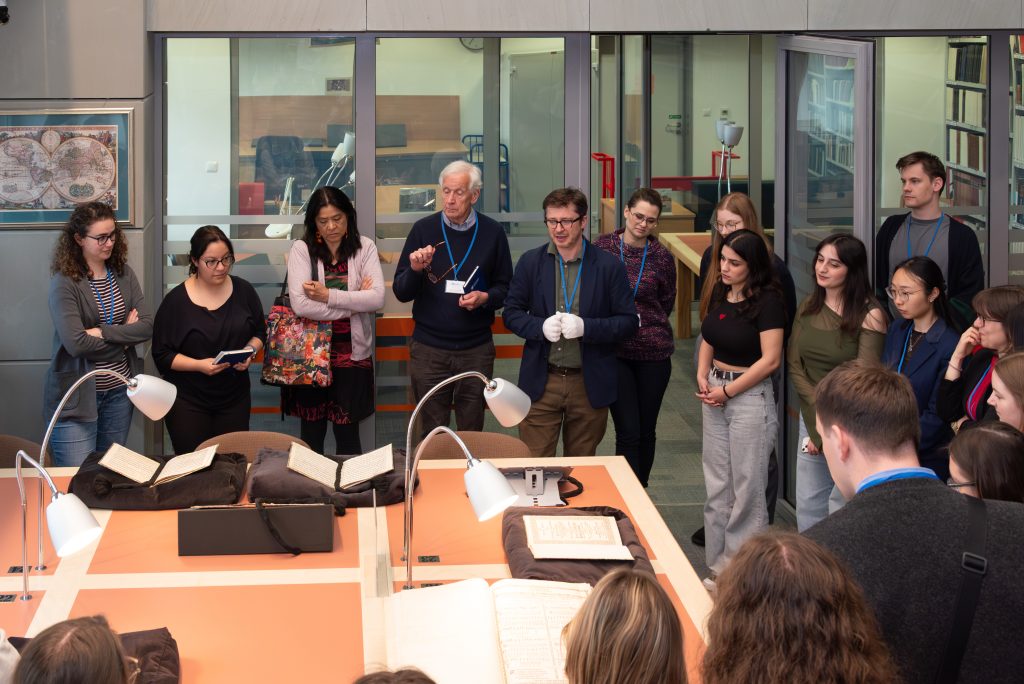
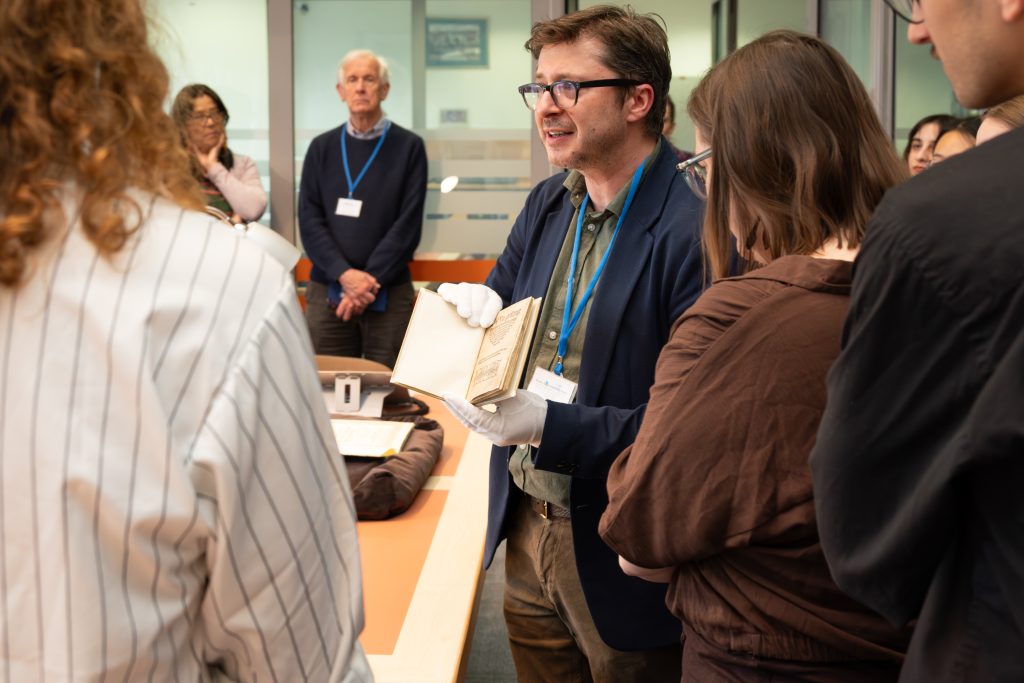
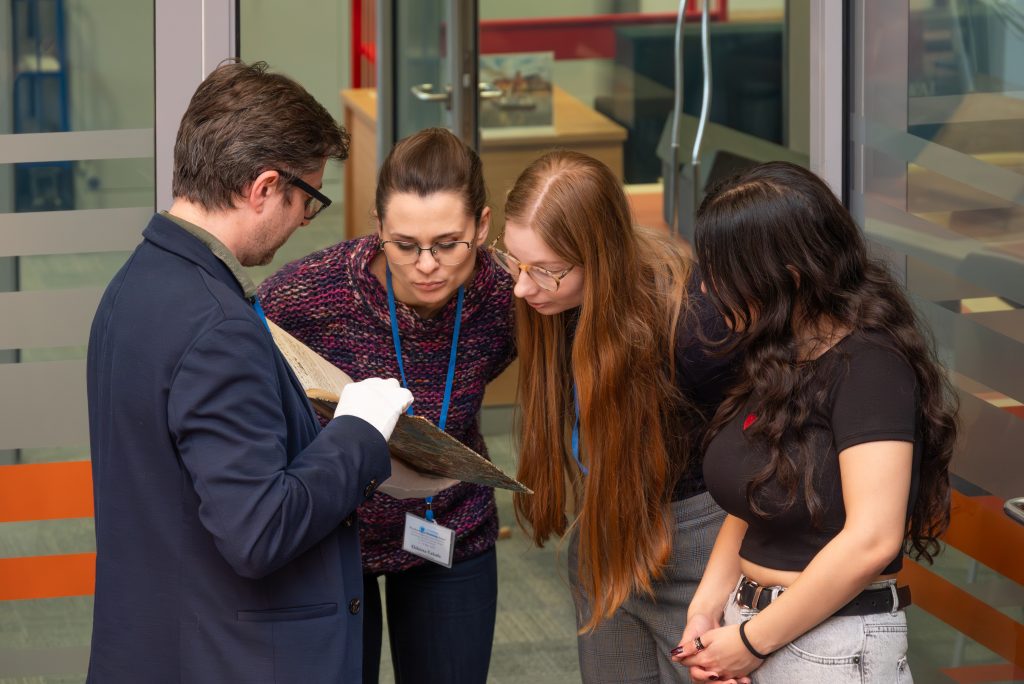
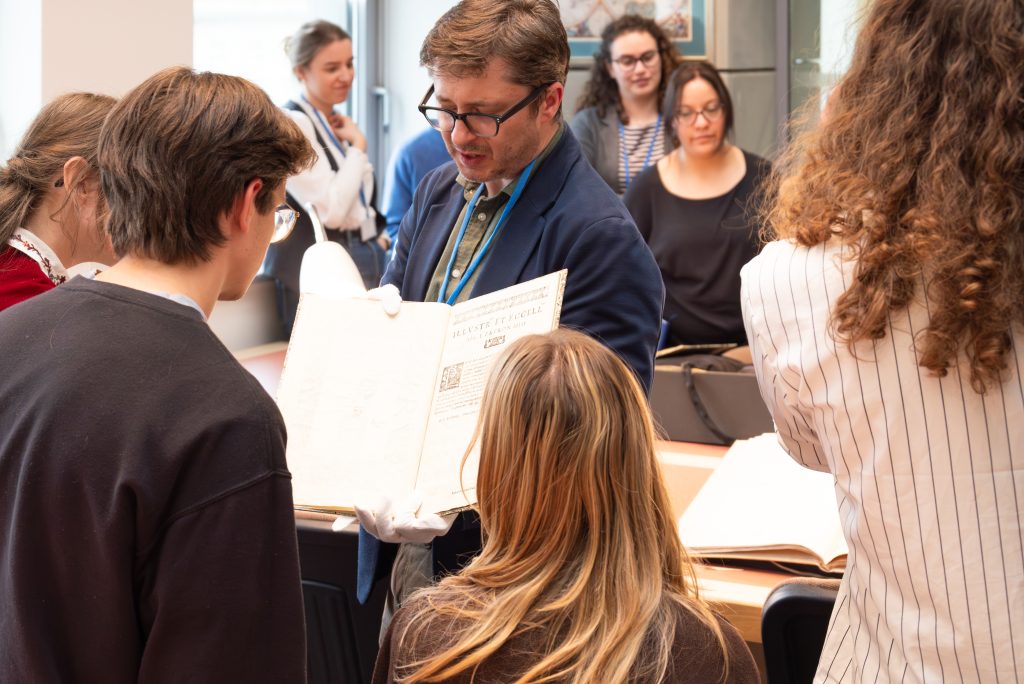
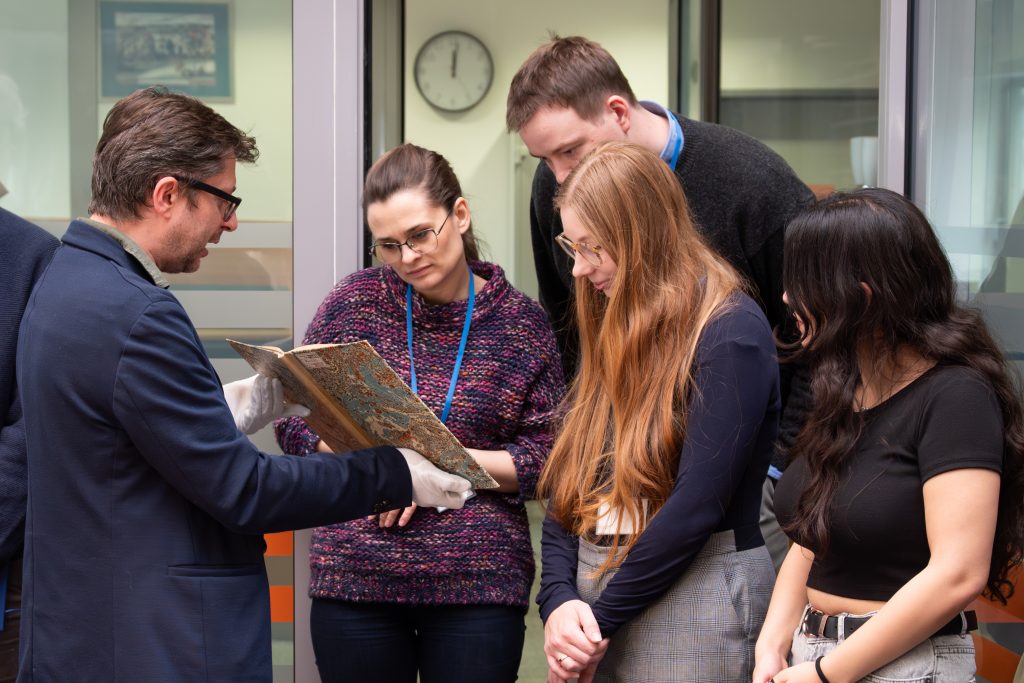
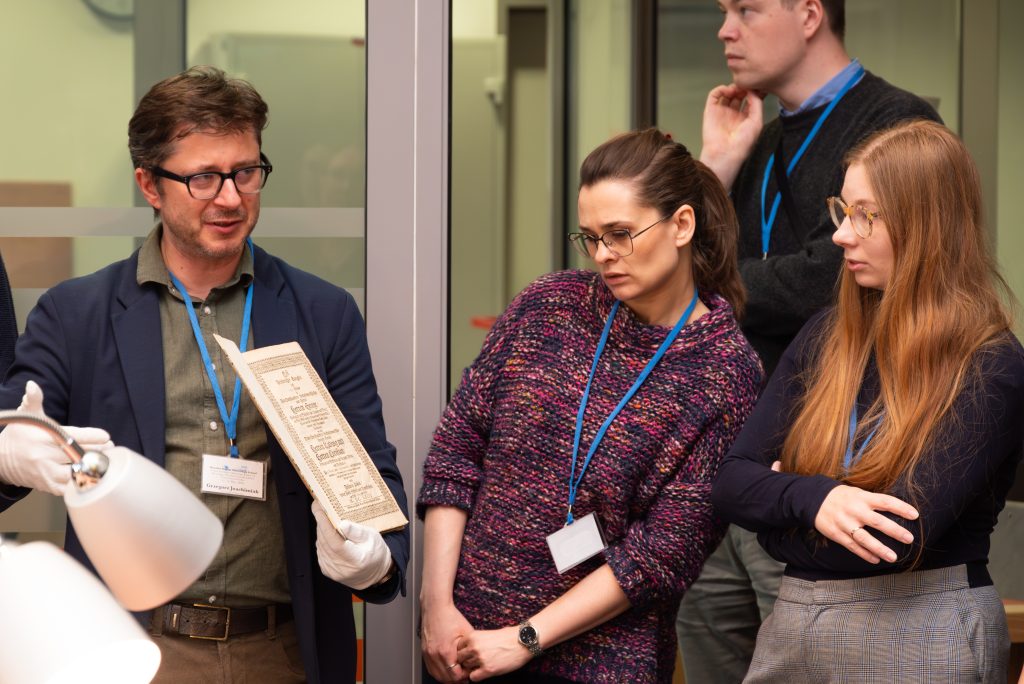
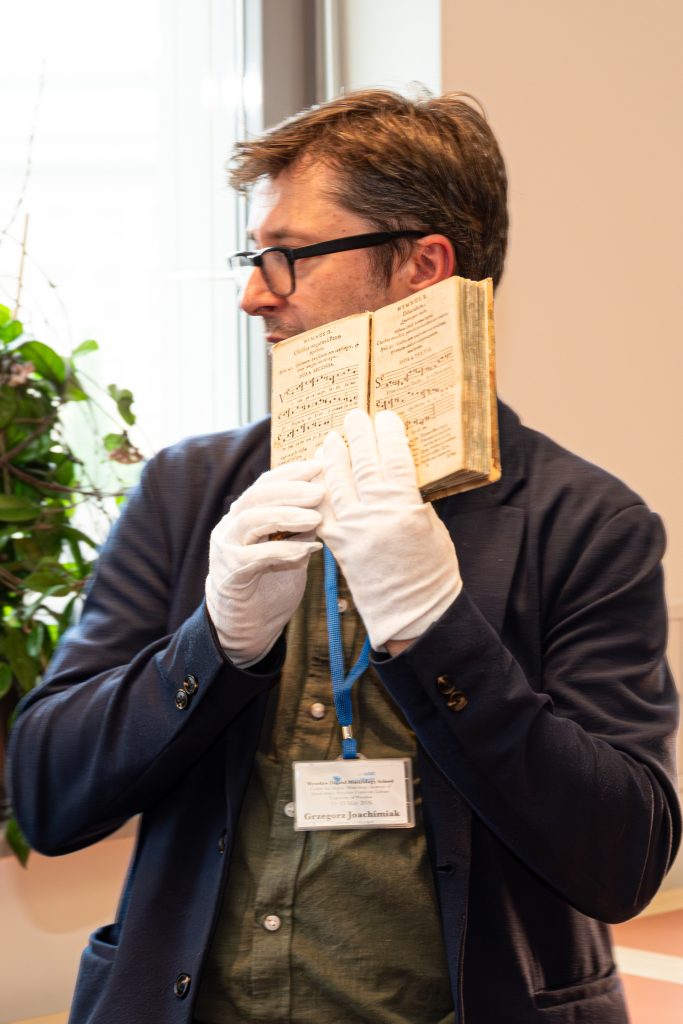
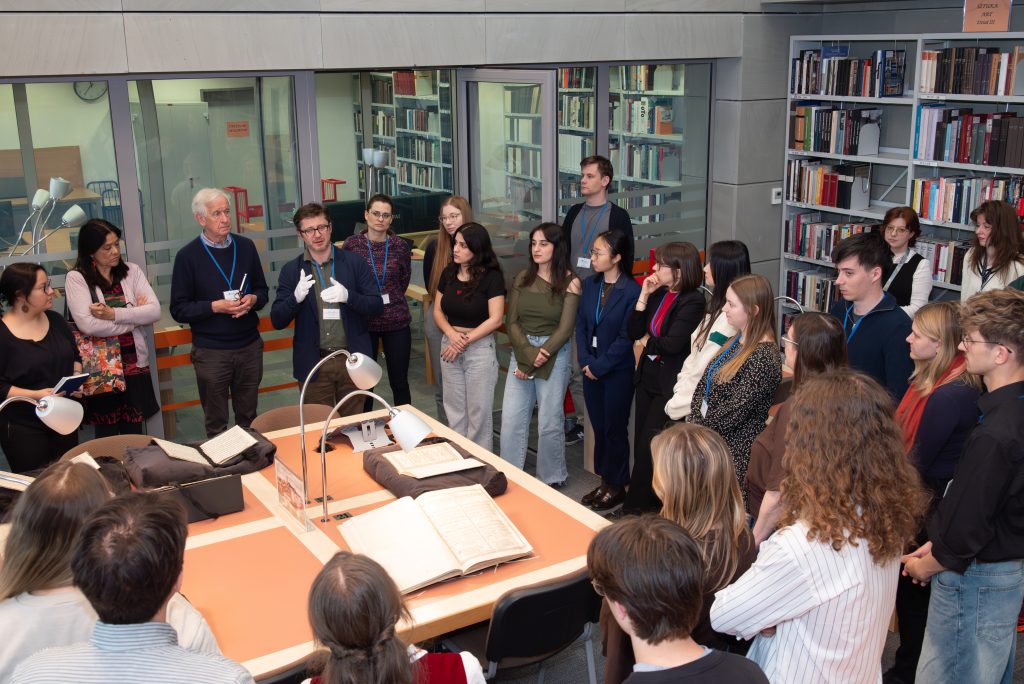
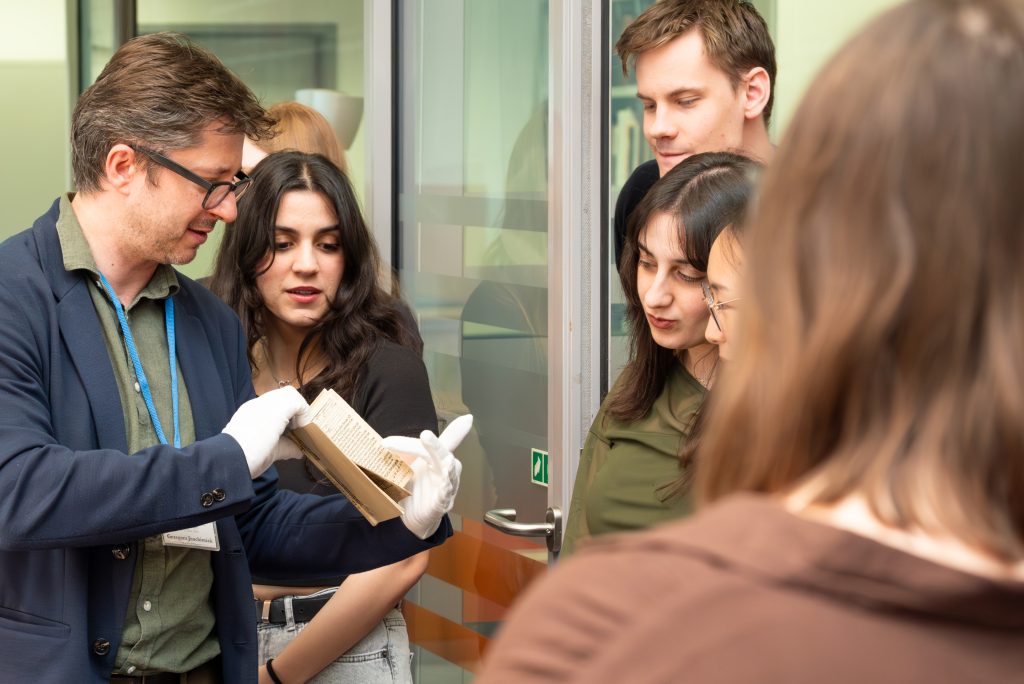
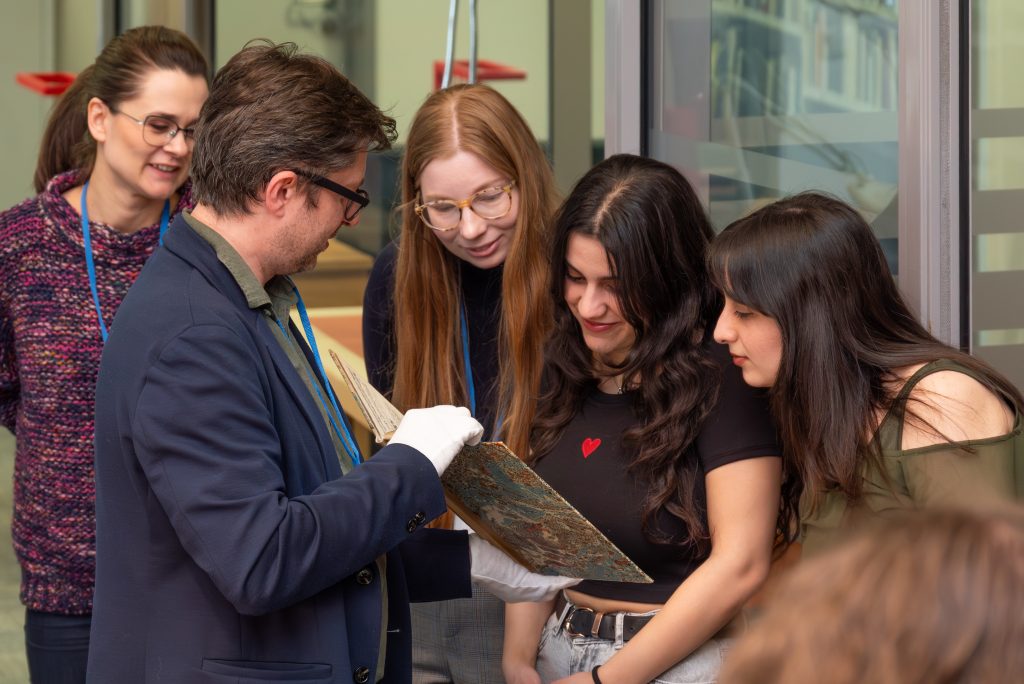
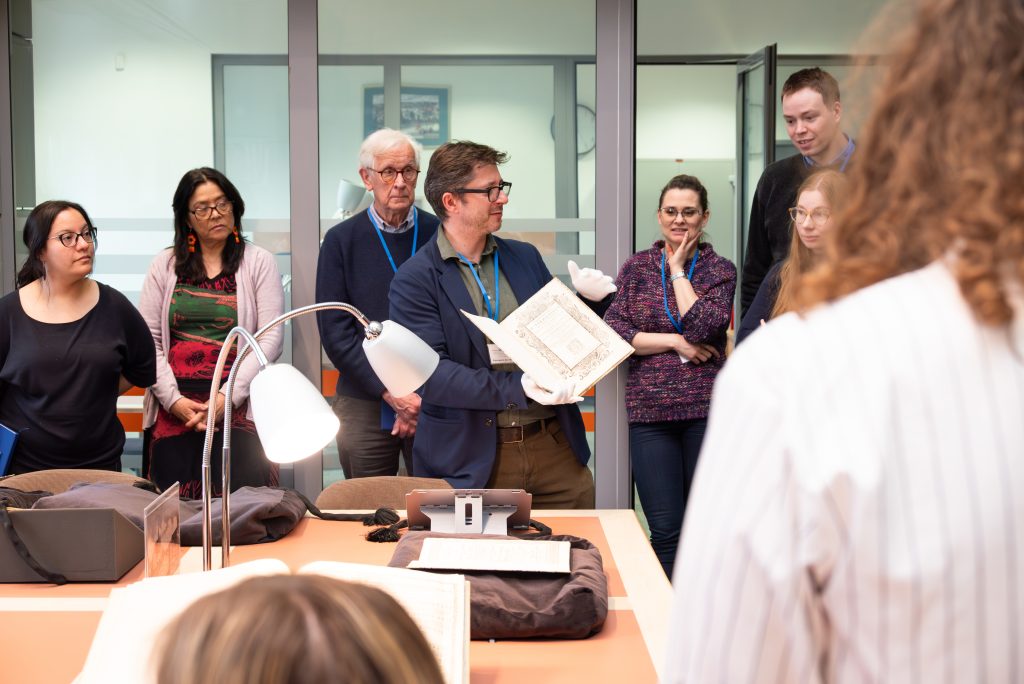
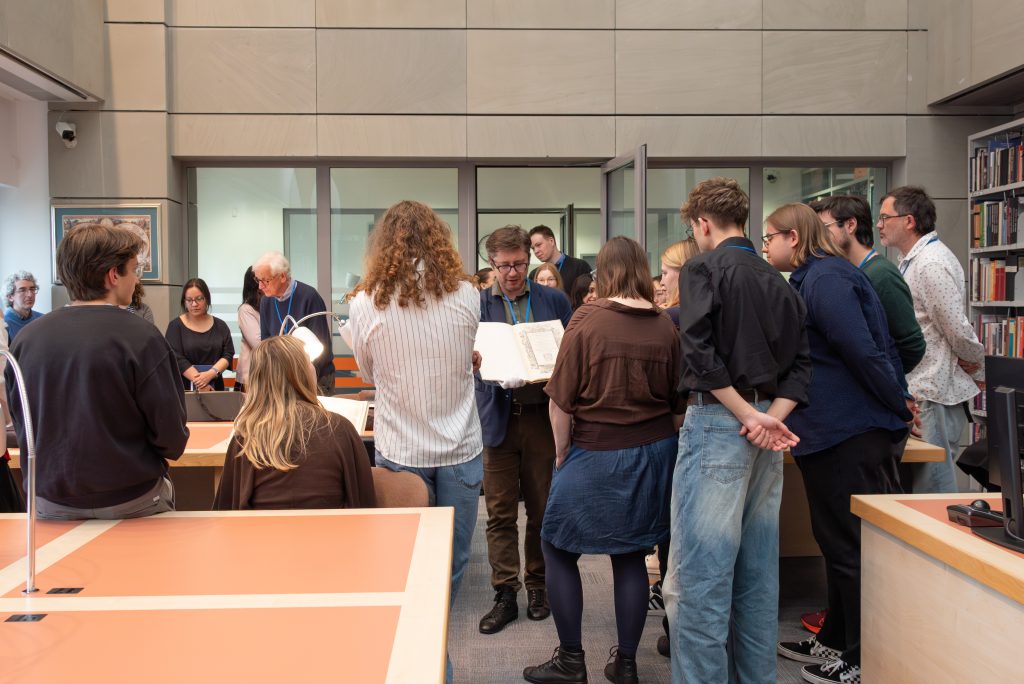
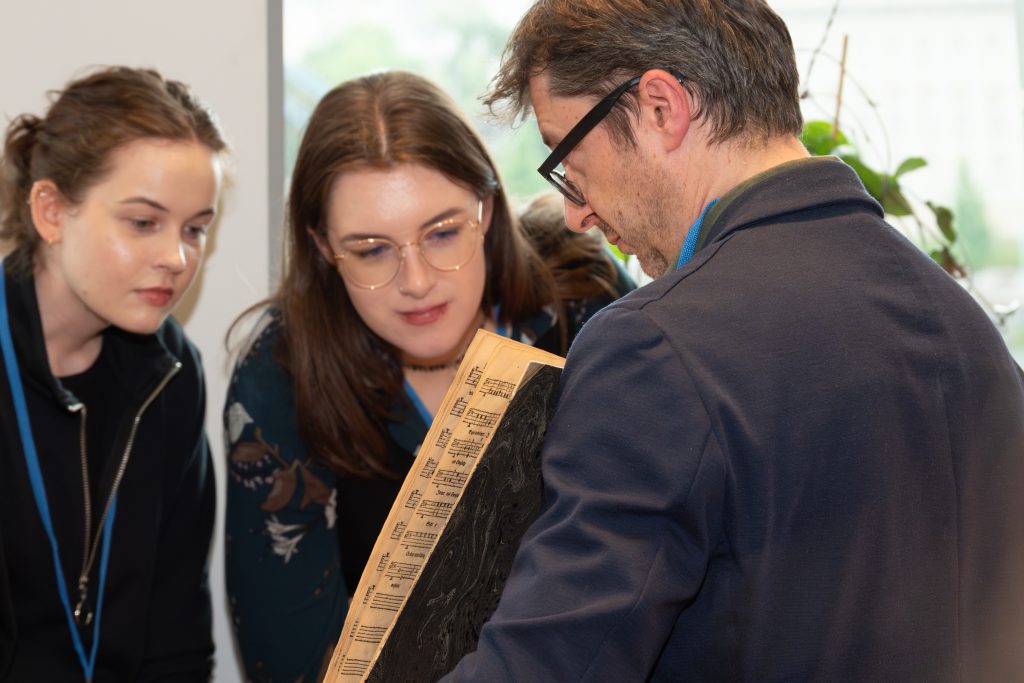
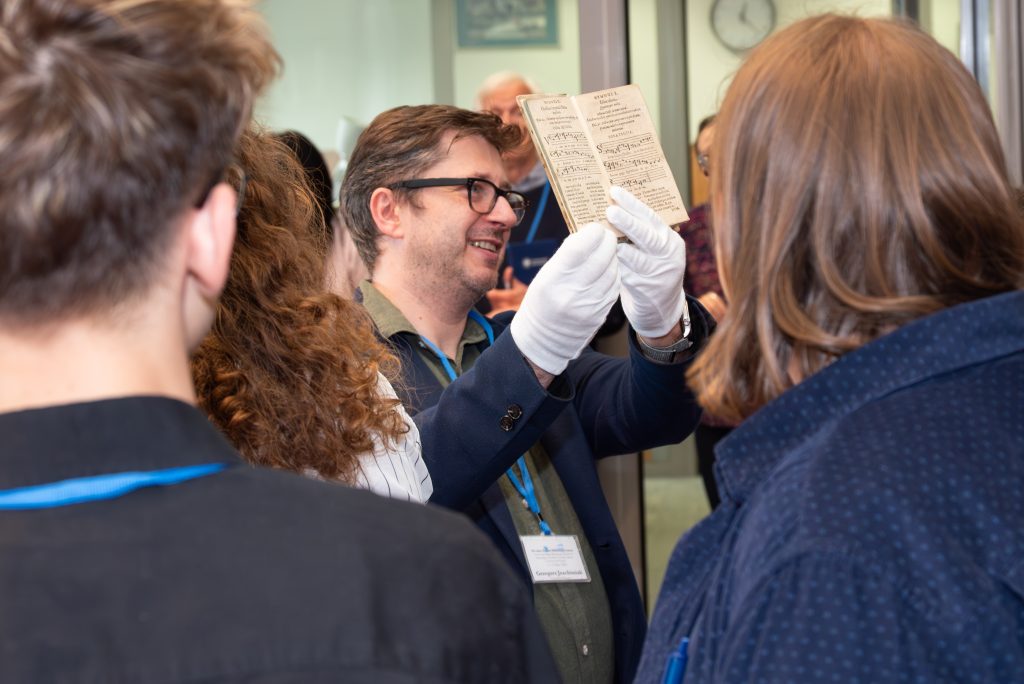
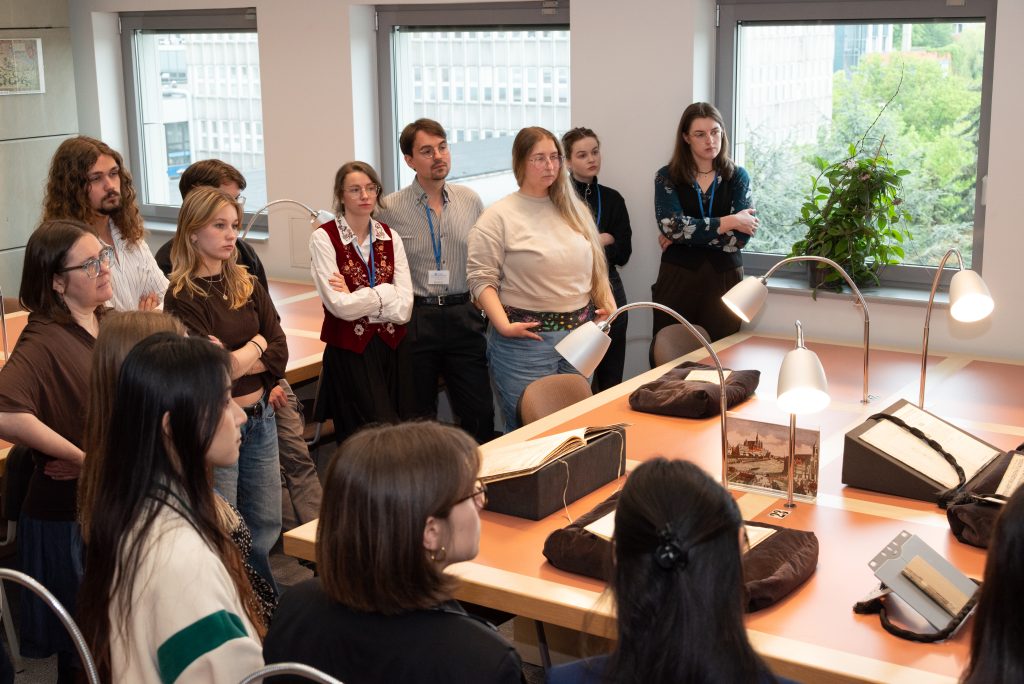
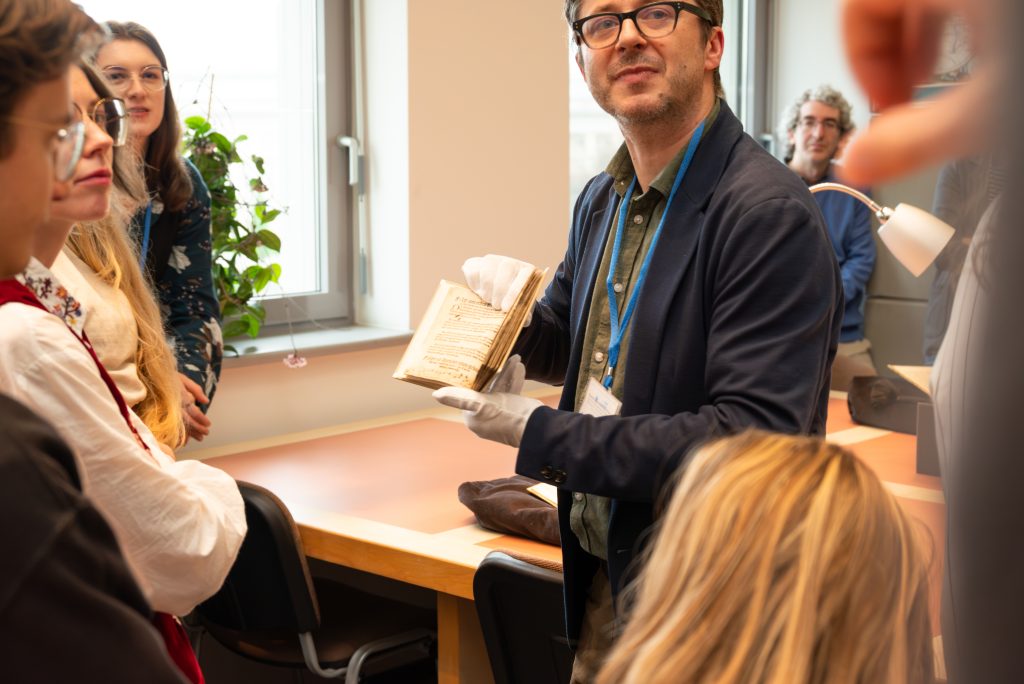
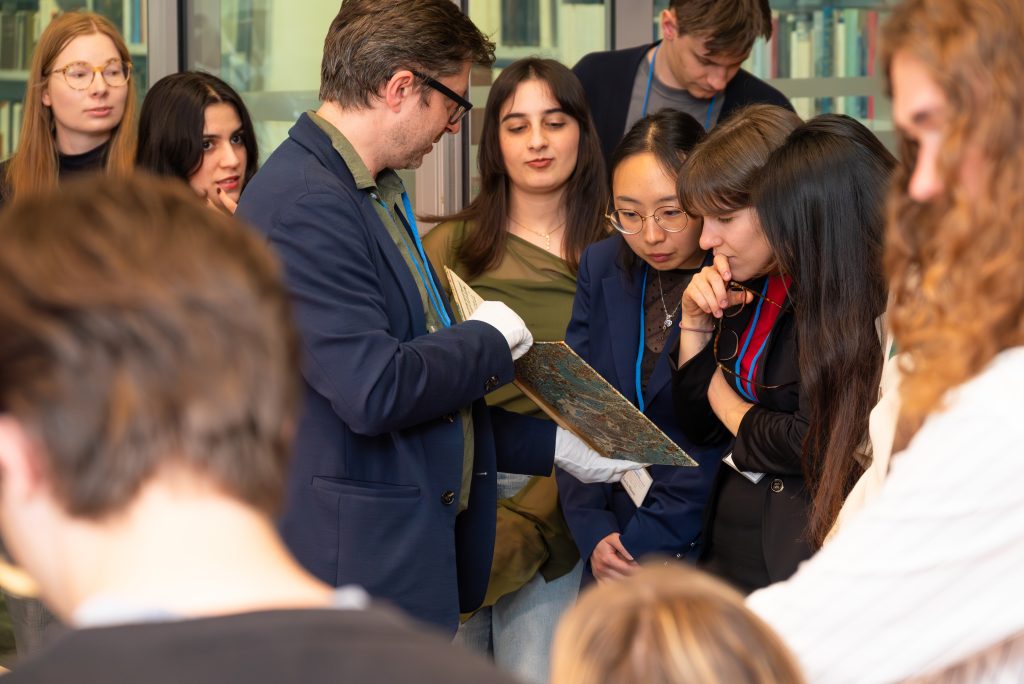
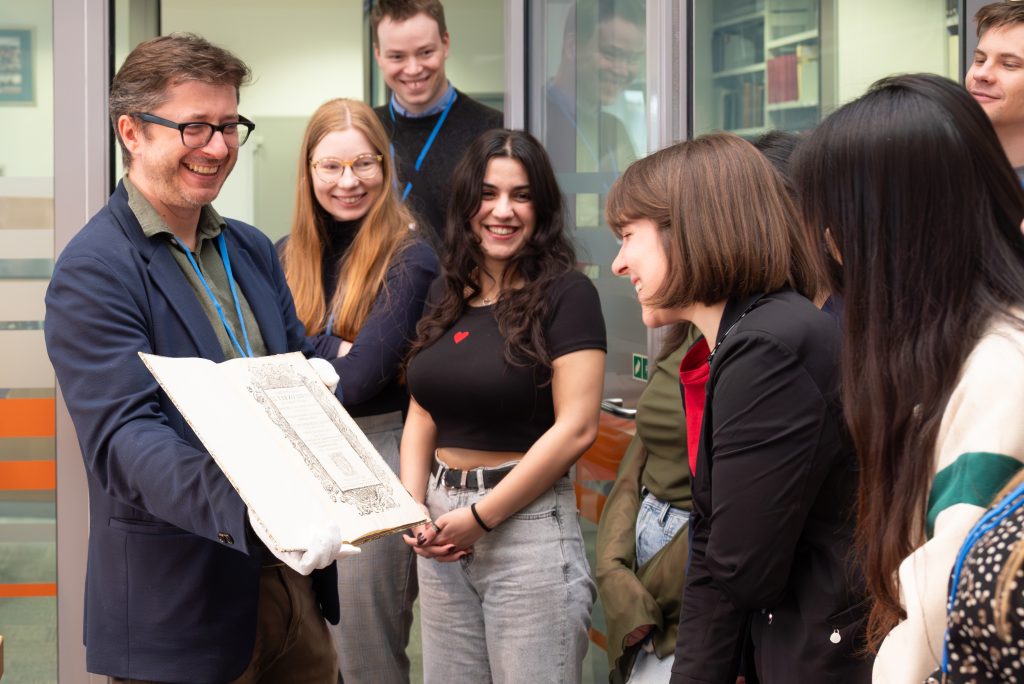
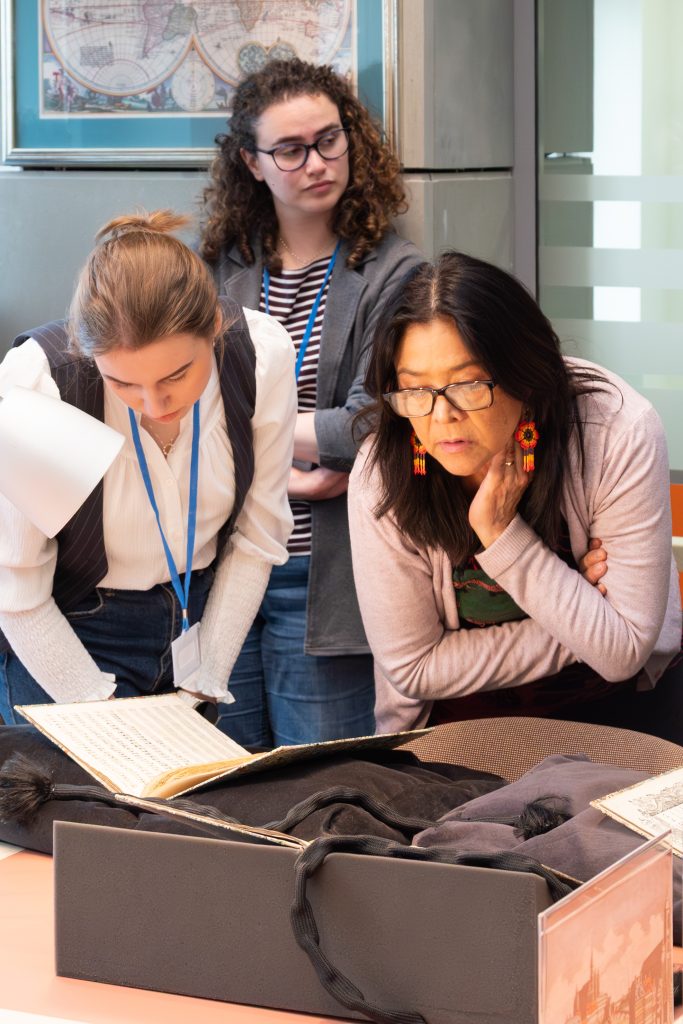
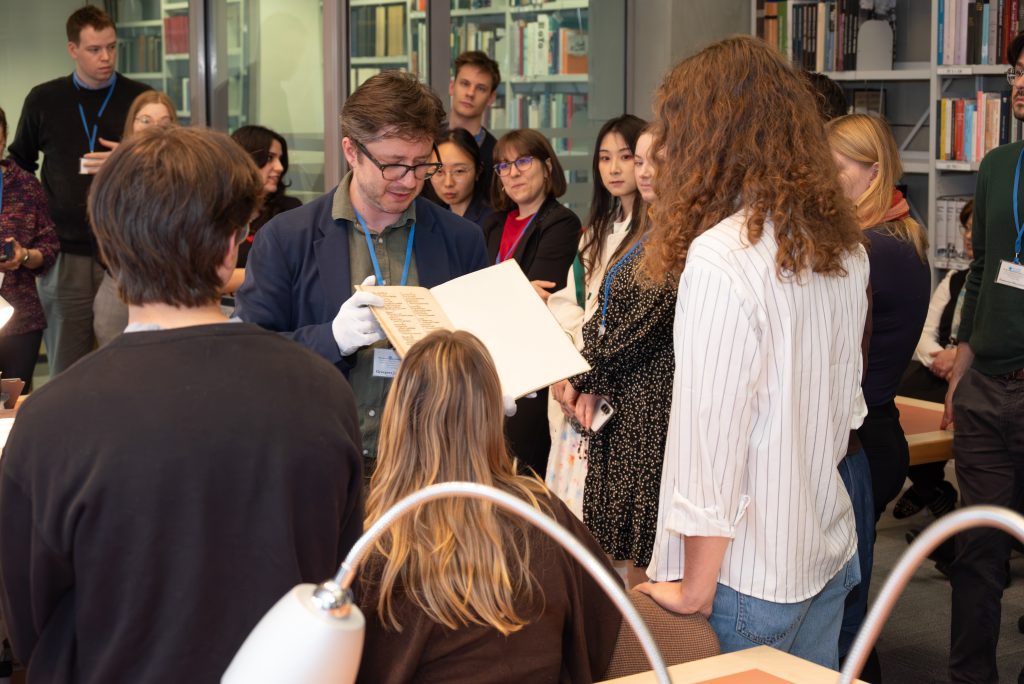
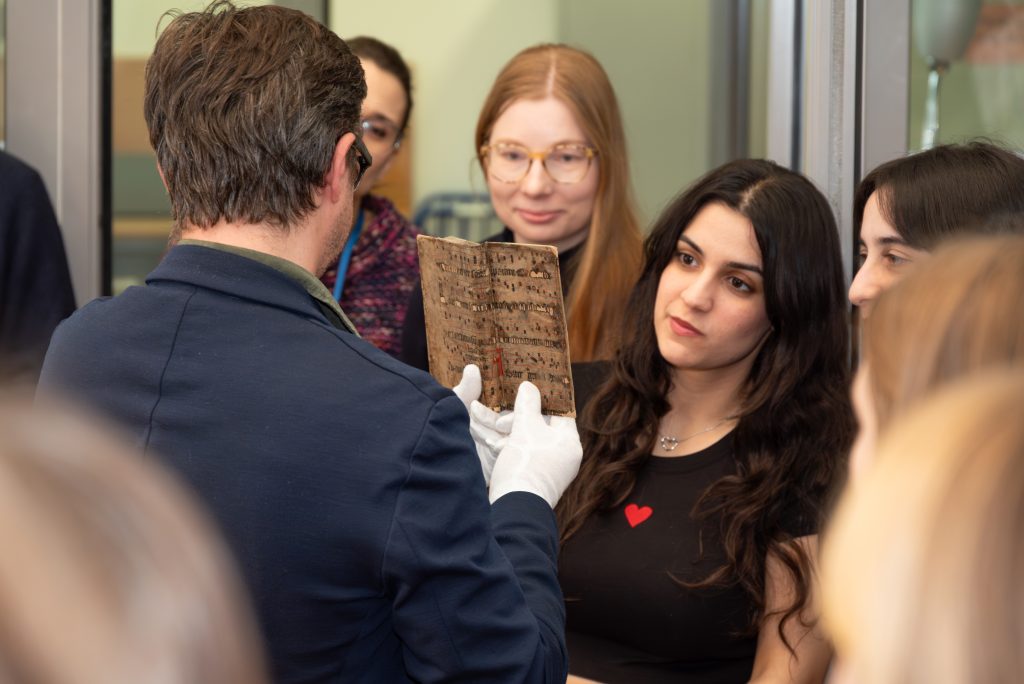
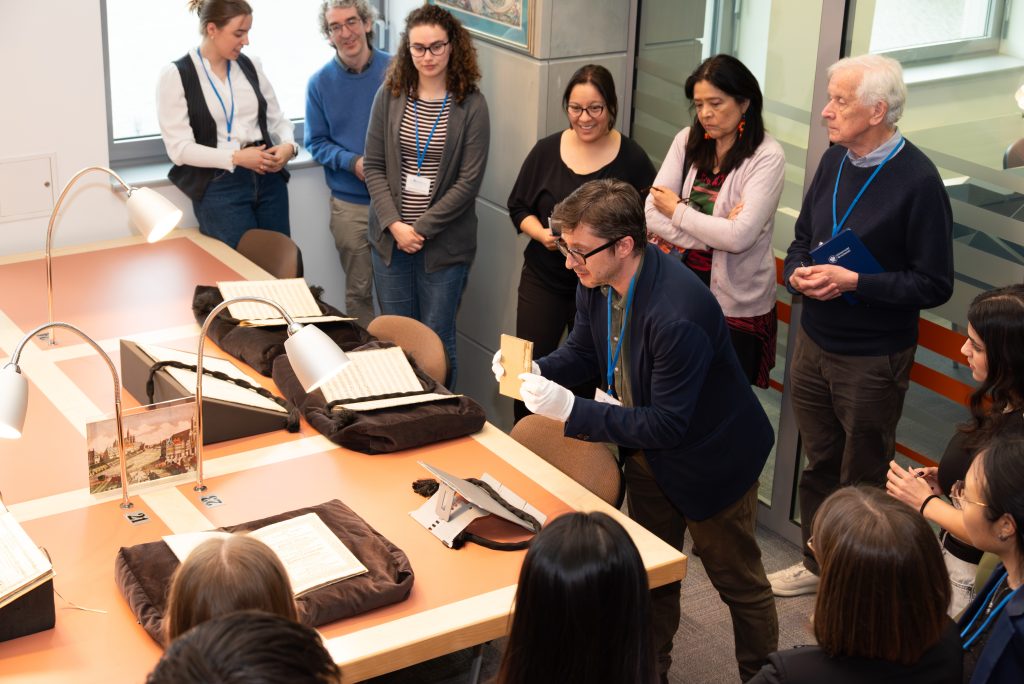
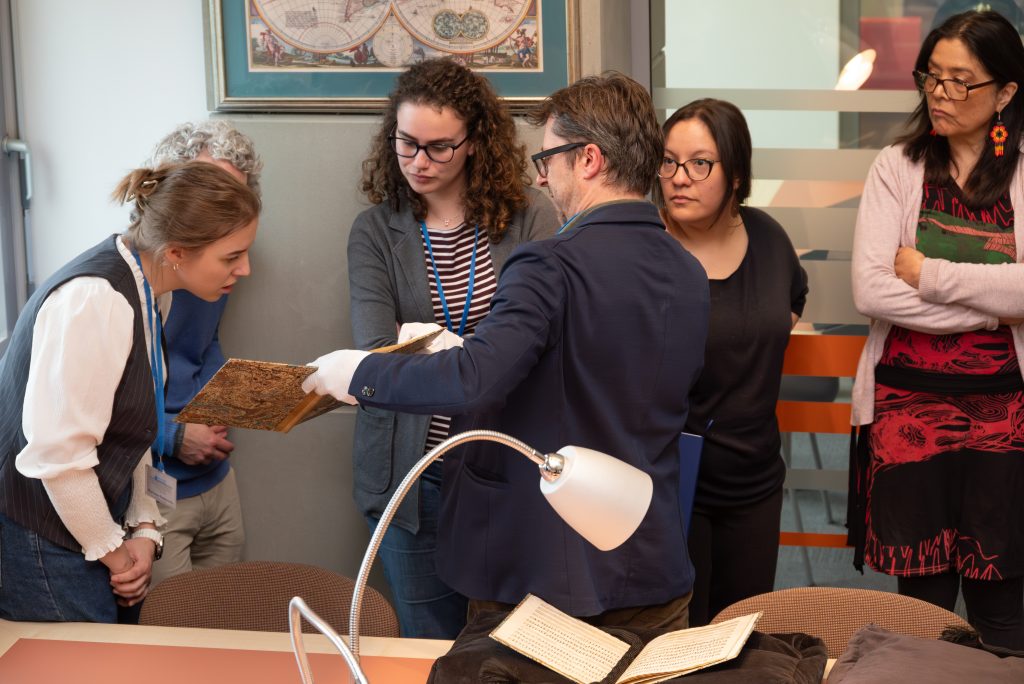
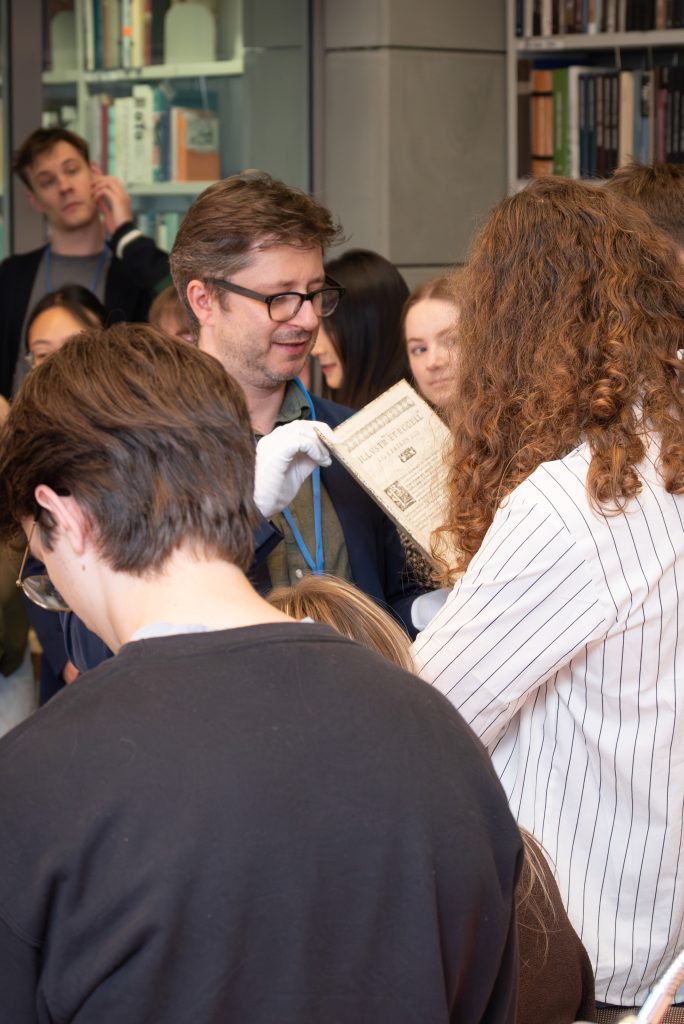
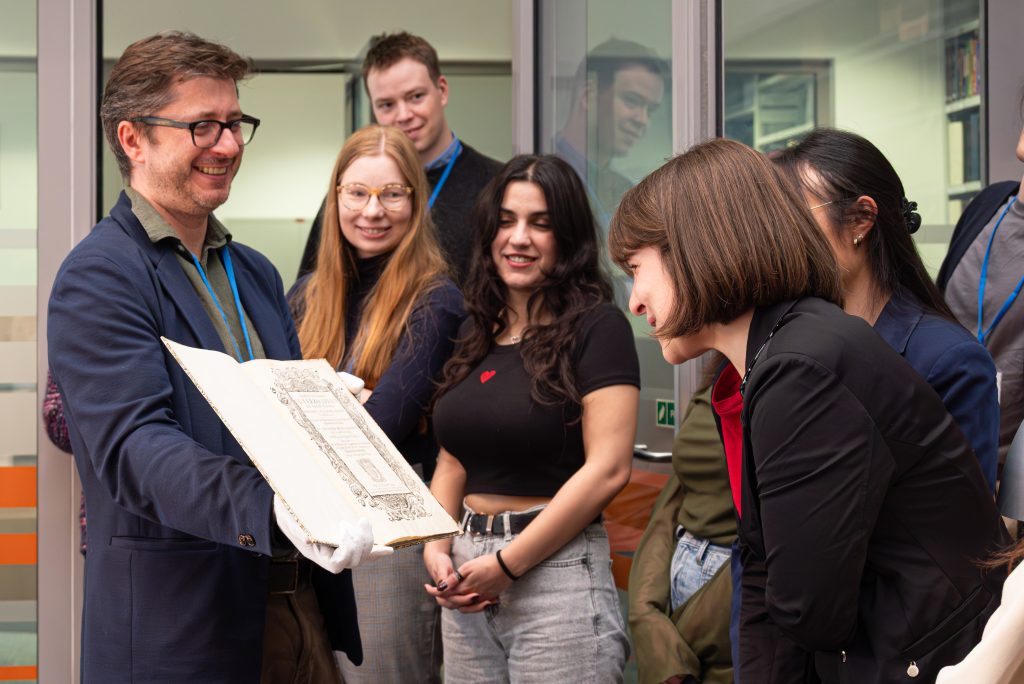
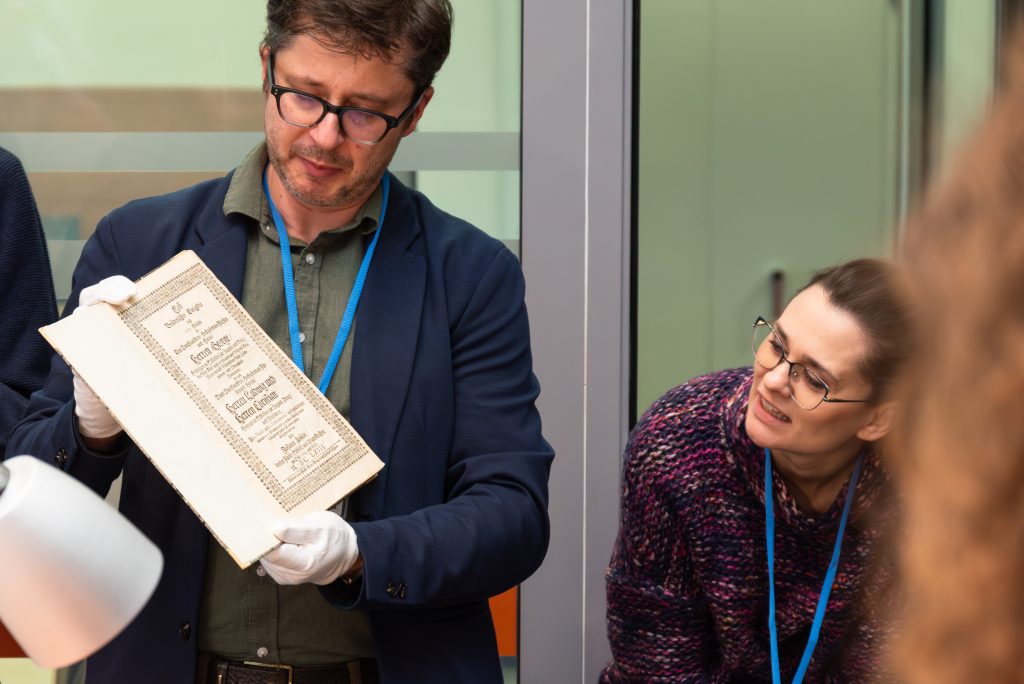
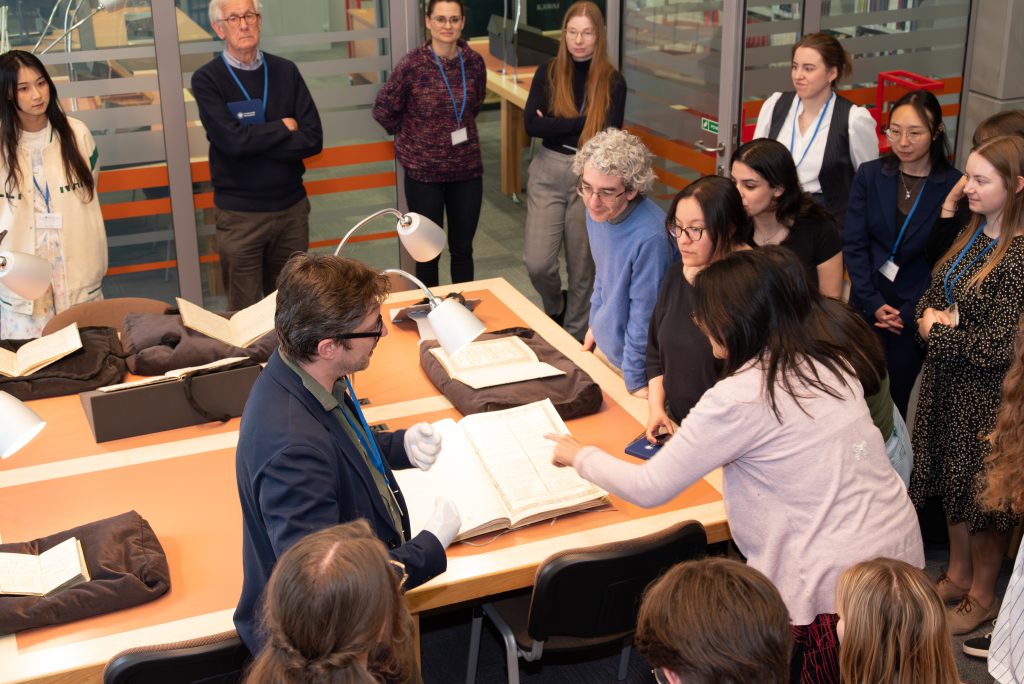
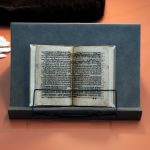
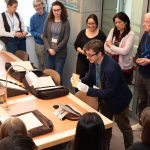
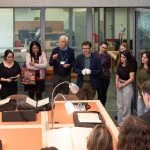
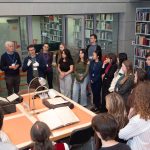
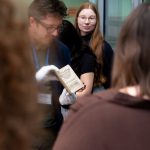
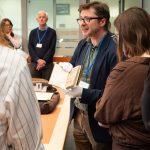
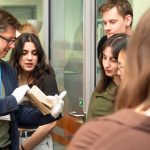
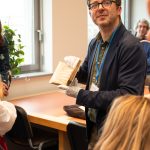
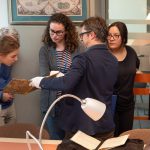
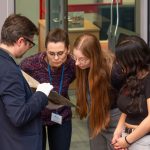
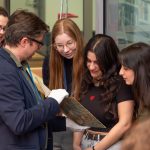
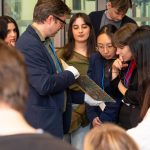
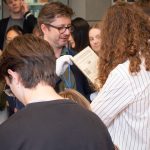
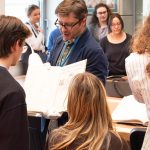
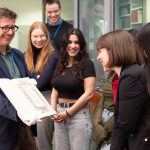
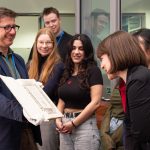
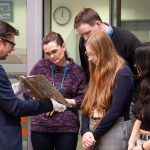
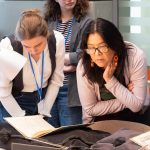
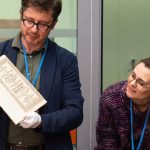
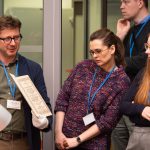
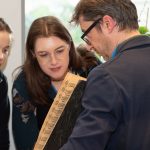
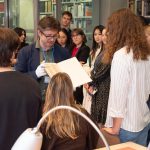
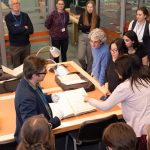
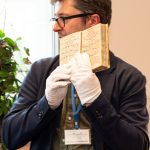
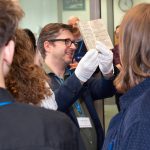
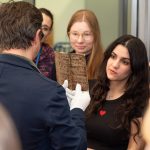
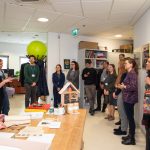
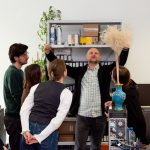
We then moved to the Special Collections Reading Room of the Wrocław University Library, where we had the extraordinary opportunity to see valuable musical sources preserved in the library’s collections. A particularly memorable moment was viewing the original songbook whose fragments participants had been encoding throughout the entire week. Dr Grzegorz Joachimiak introduced the collections and spoke about working with historical sources.
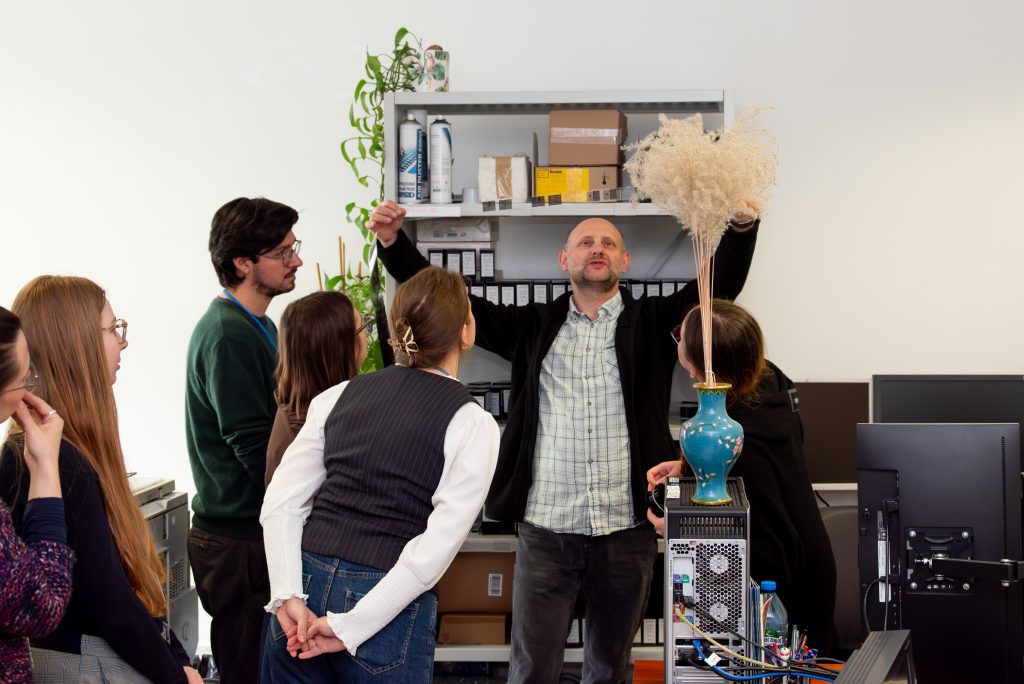
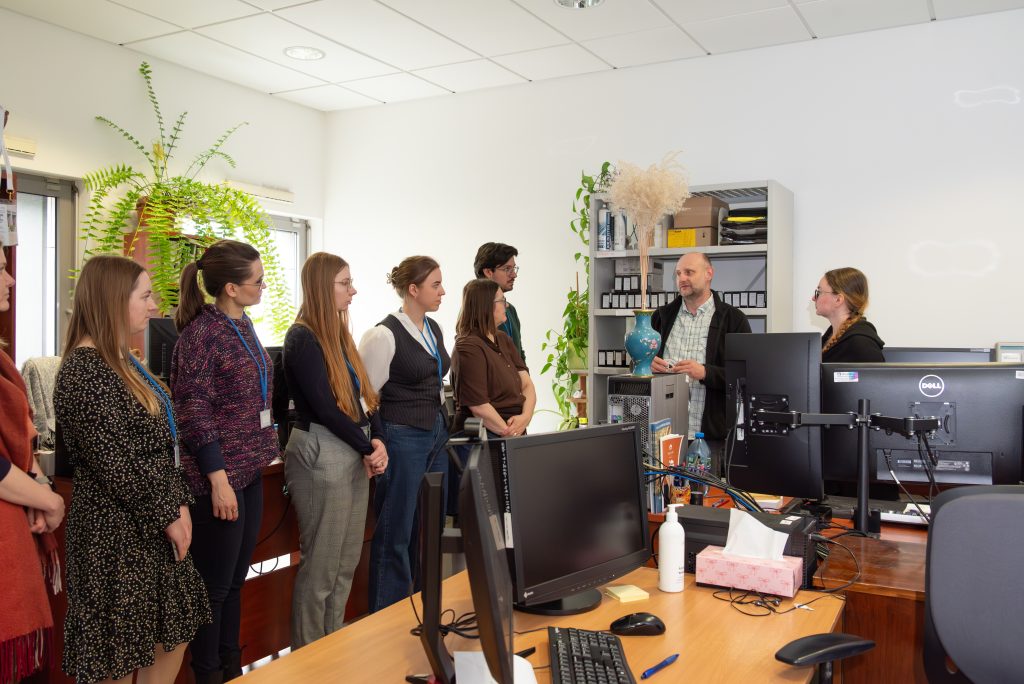
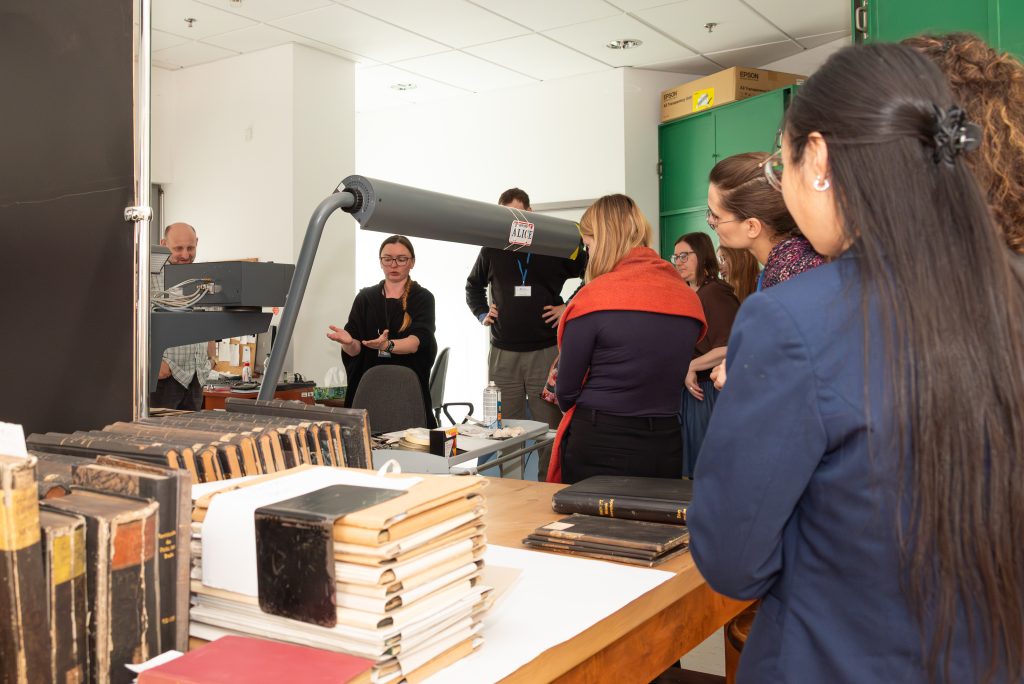
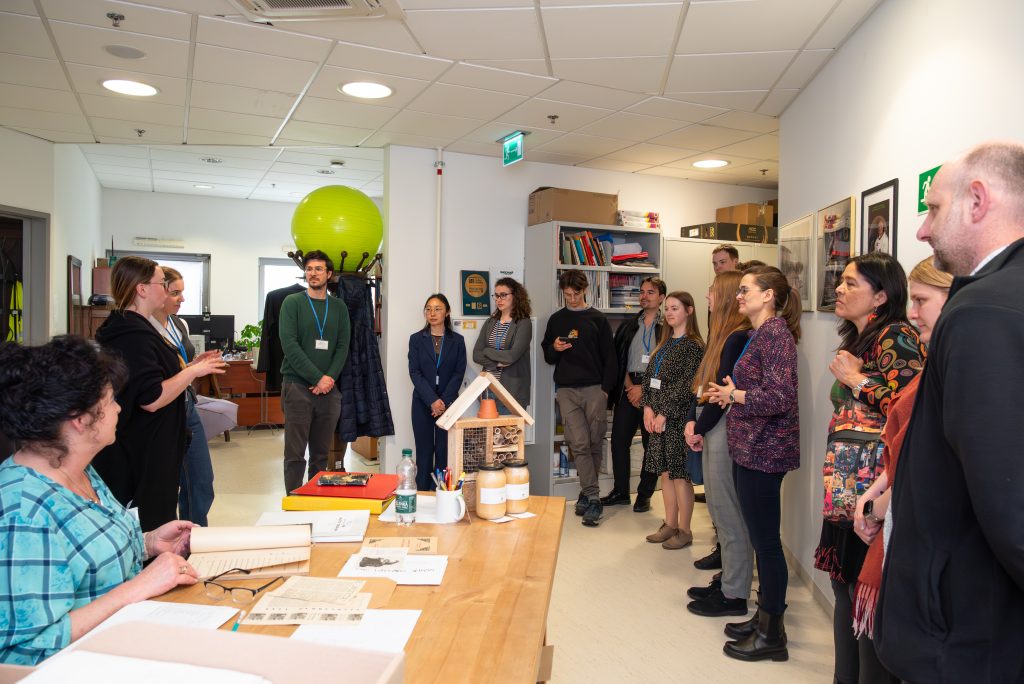
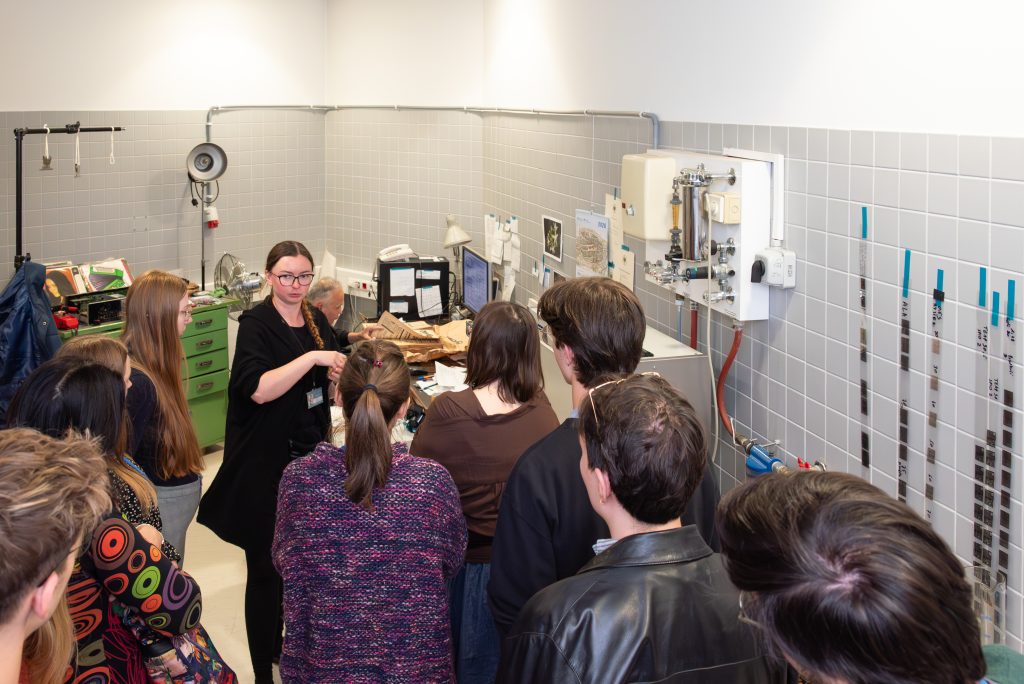
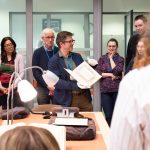
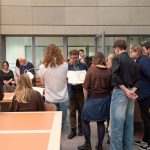
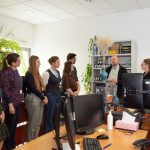
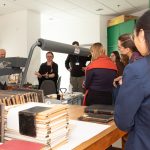
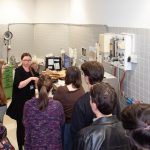
Another part of the programme involved visiting the Digitization and Digital Services Department of the Wrocław University Library. Participants were able to see modern scanners used for the digitisation of historical sources and gain insight into the work carried out behind the scenes in a department usually inaccessible to visitors. Eunika Kupis guided us through the studios, explaining different stages of the digitisation process, the importance of proper lighting, and methods used to protect fragile historical materials during digitisation work.
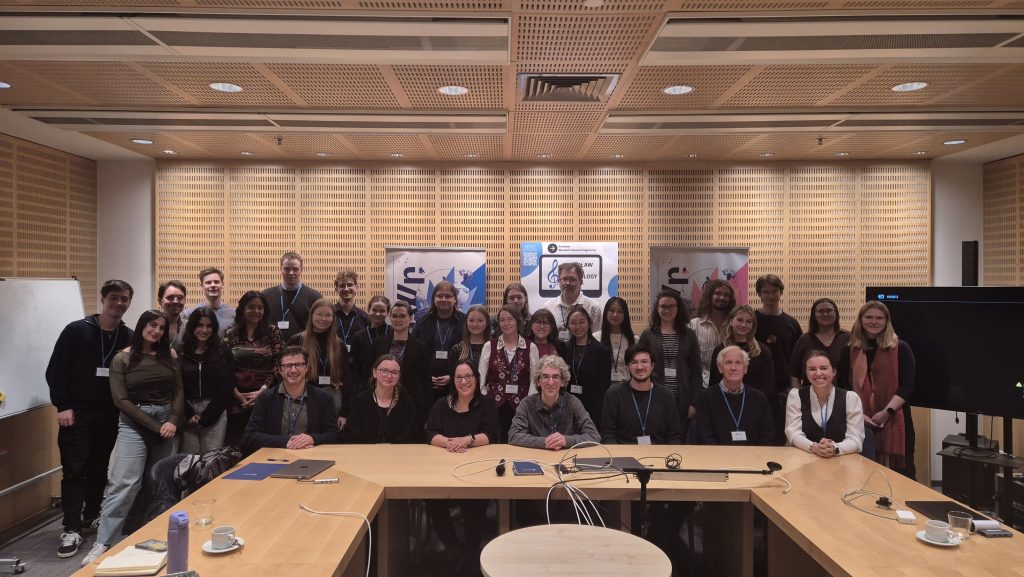
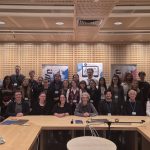
The final official element of the programme was a discussion panel devoted to the future of the Wrocław Digital Musicology School. Participants shared their opinions, ideas, and suggestions for future editions of the event. Many inspiring proposals were raised, and they will certainly serve as valuable guidance for planning future editions of the school. At the end of the day, we took a group photo, said our goodbyes, and met once again for a farewell dinner concluding this exceptionally intensive week.
Although the Wrocław Digital Musicology School has now come to an end, the connections, friendships, and community built during these few days will certainly remain with us for a long time. It was an intensive week — full of new knowledge, inspiring discussions, and interdisciplinary collaboration. After all, Erasmus BIP does stand for Blended Intensive Programme!
Finally, we would like to express our sincere gratitude to everyone involved in organising the Wrocław Digital Musicology School. Special thanks go to the staff of the Wrocław University Library for their hospitality and for creating a space where we could work, discuss, and develop new skills together throughout the entire week.
We would also like to thank the Institute of Musicology at the University of Wrocław and the Faculty of Historical and Pedagogical Sciences for their administrative and logistical support during the preparation of the event.
Our greatest thanks, however, go to our participants and lecturers. It was thanks to your engagement, openness, and enthusiasm that the Wrocław Digital Musicology School became something more than just a workshop — it became a true international community of digital musicology enthusiasts.
Mr Grzegorz Pawlik from the University Library in Wrocław accompanied us with his camera throughout all the meetings, and it is thanks to him that we now have such a wonderful photographic record of the whole event. Thank you very much!
Photos below: Grzegorz Pawlik/ Wrocław University Library