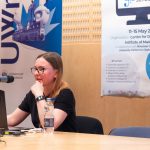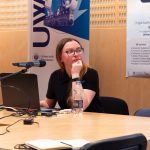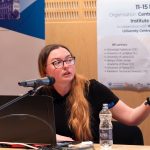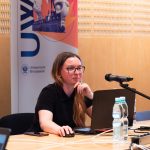
Thursday at Wrocław Digital Musicology School!
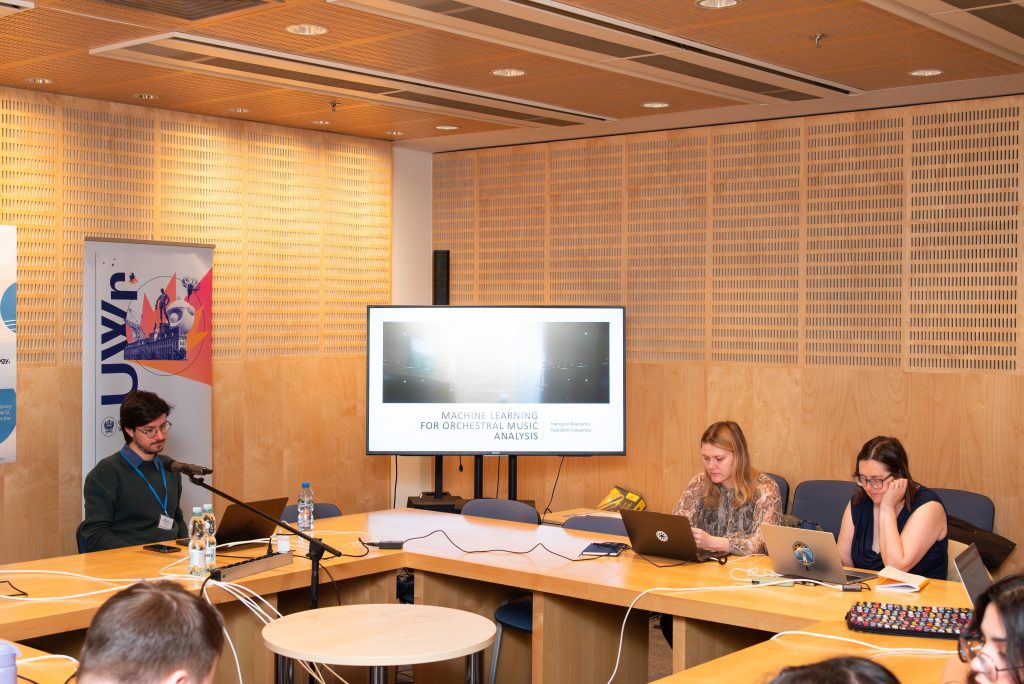
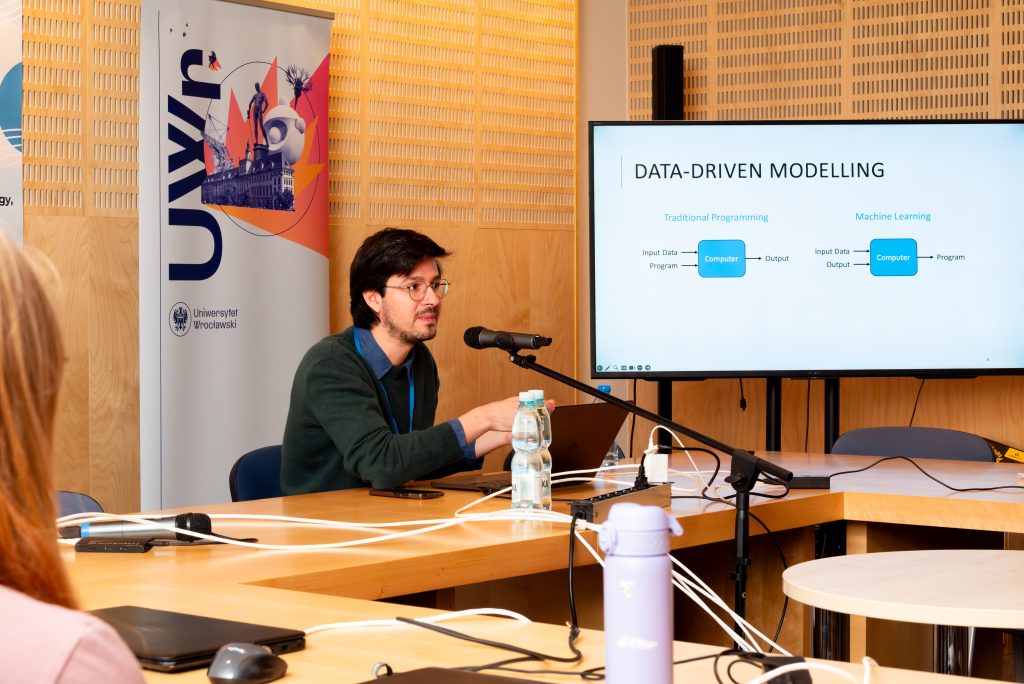
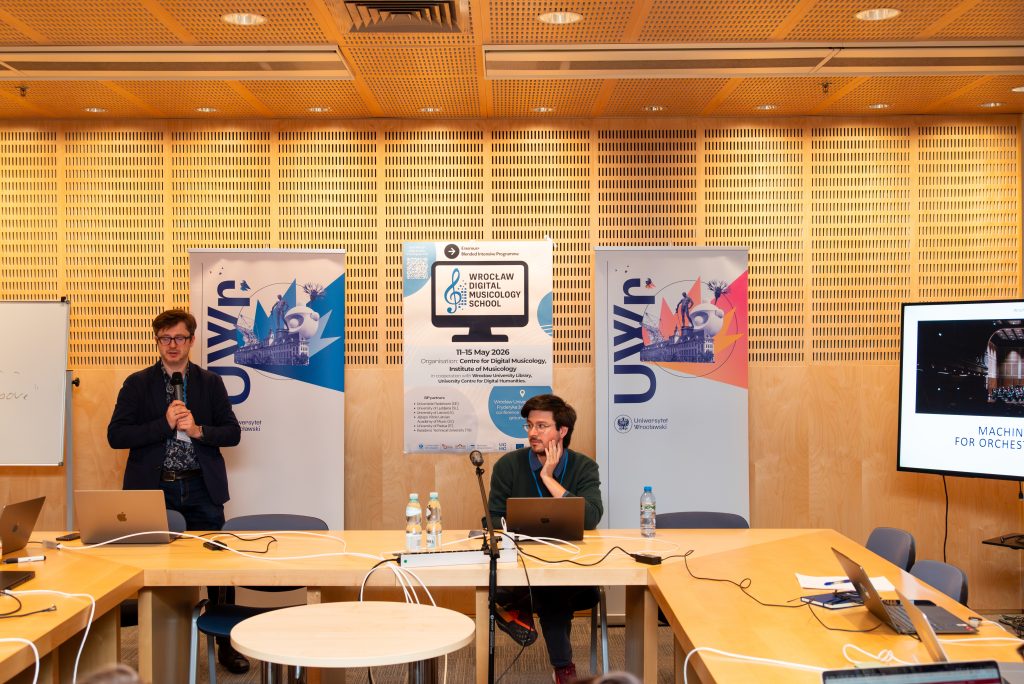
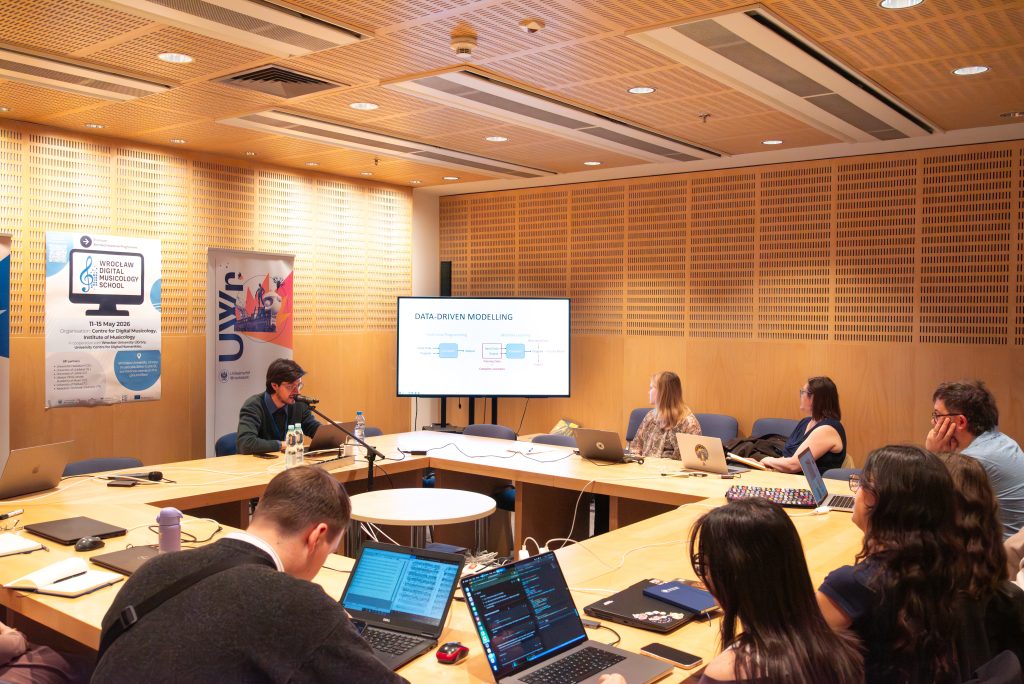
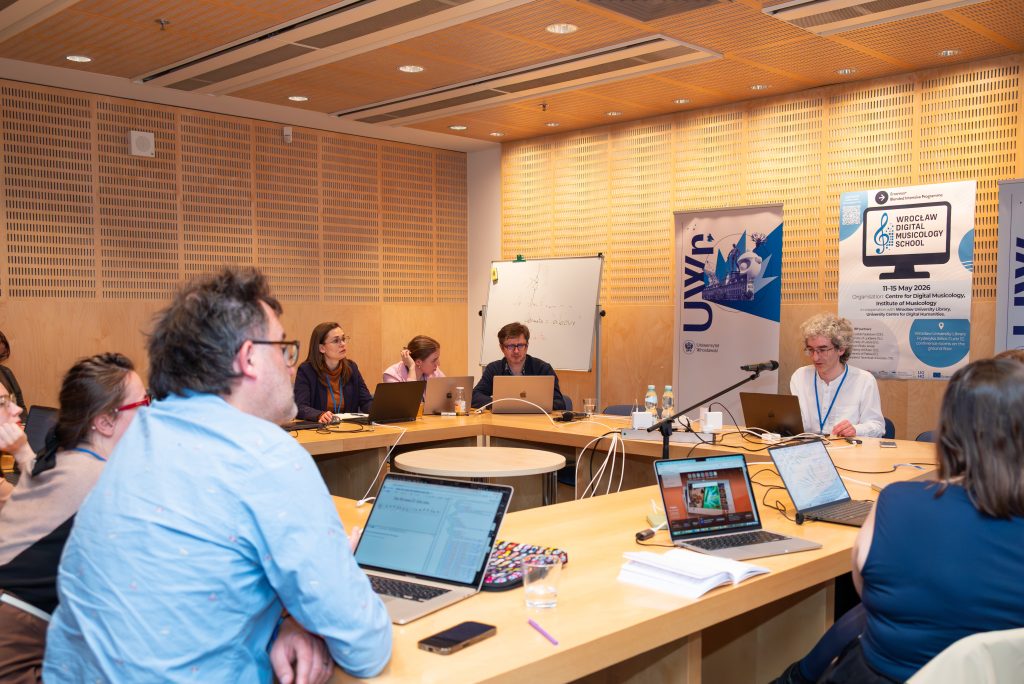
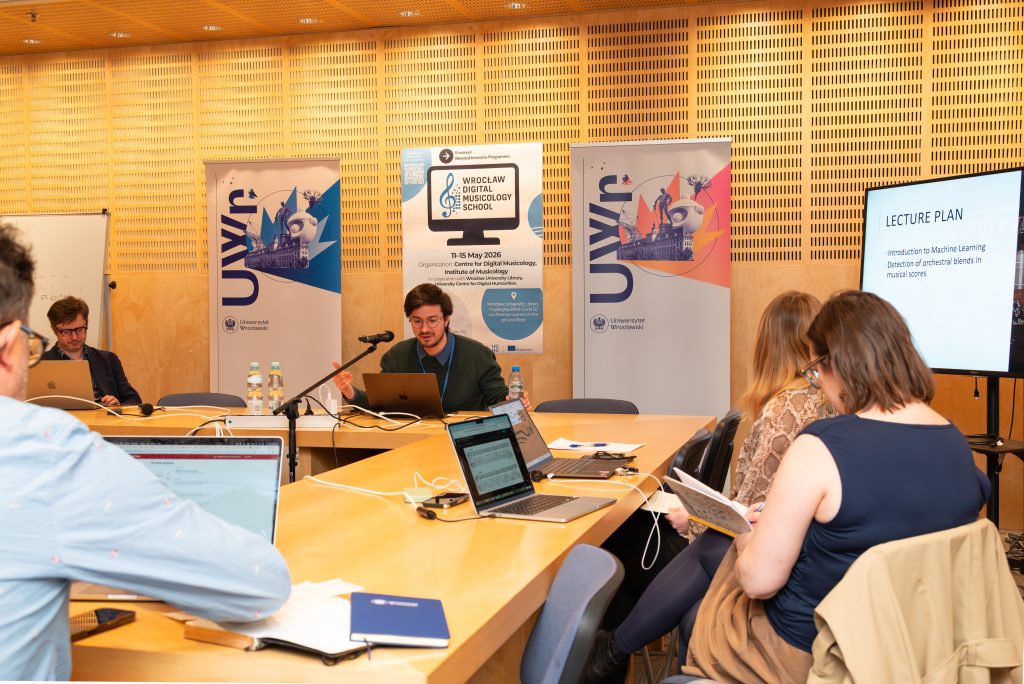
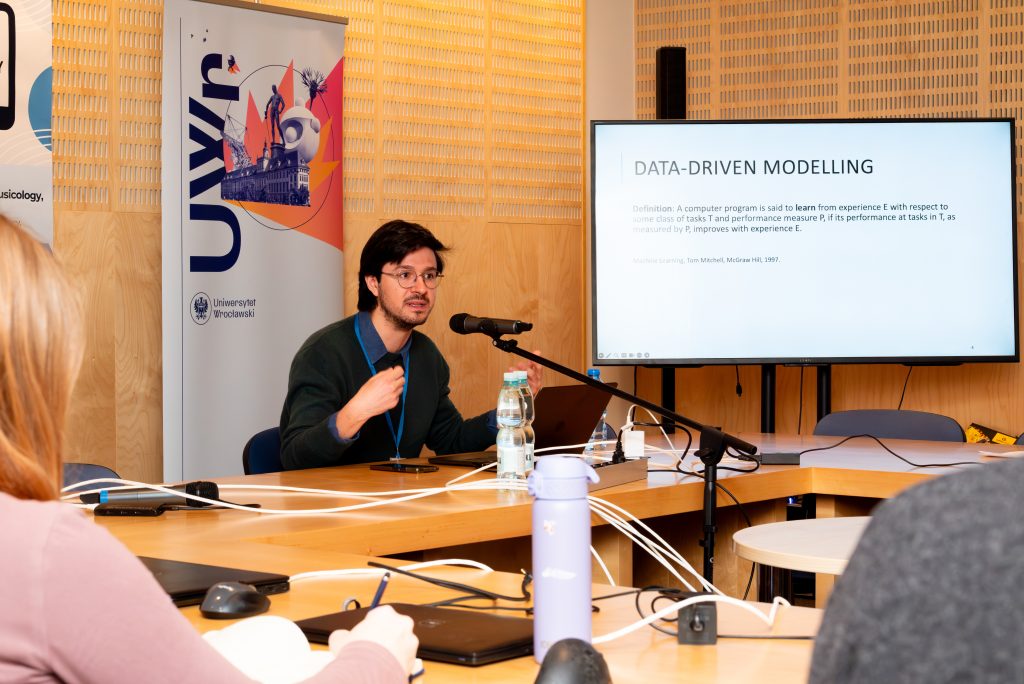
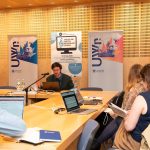
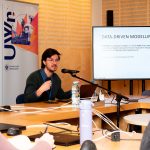
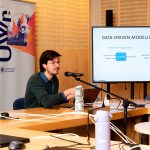
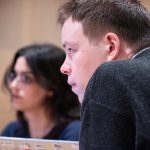
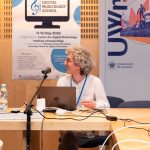
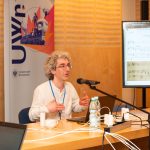
Thursday began with a lecture by Dr Francesco Maccarini (Universität Paderborn) entitled Machine Learning for Orchestral Music Analysis. The speaker introduced participants to the possibilities of using artificial intelligence and machine learning in the analysis of orchestral music, explaining how data models are trained and what mechanisms stand behind contemporary AI tools. Despite the early hour, the topic generated enormous enthusiasm and sparked many questions! In fact it was hardly surprising, as AI-related issues are becoming an increasingly important part of research in the humanities.
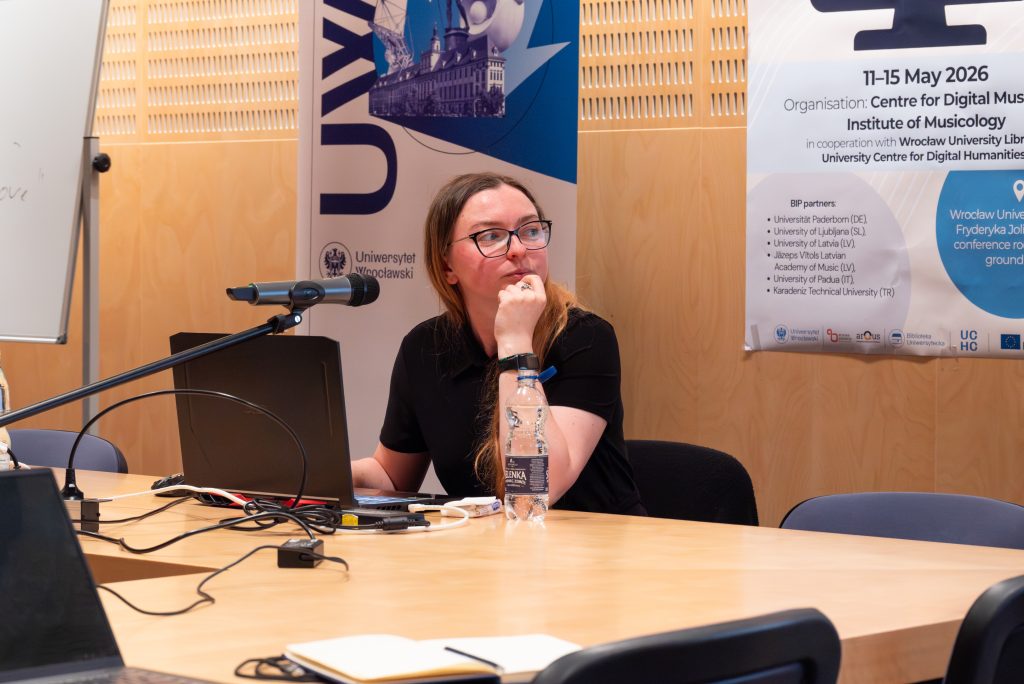
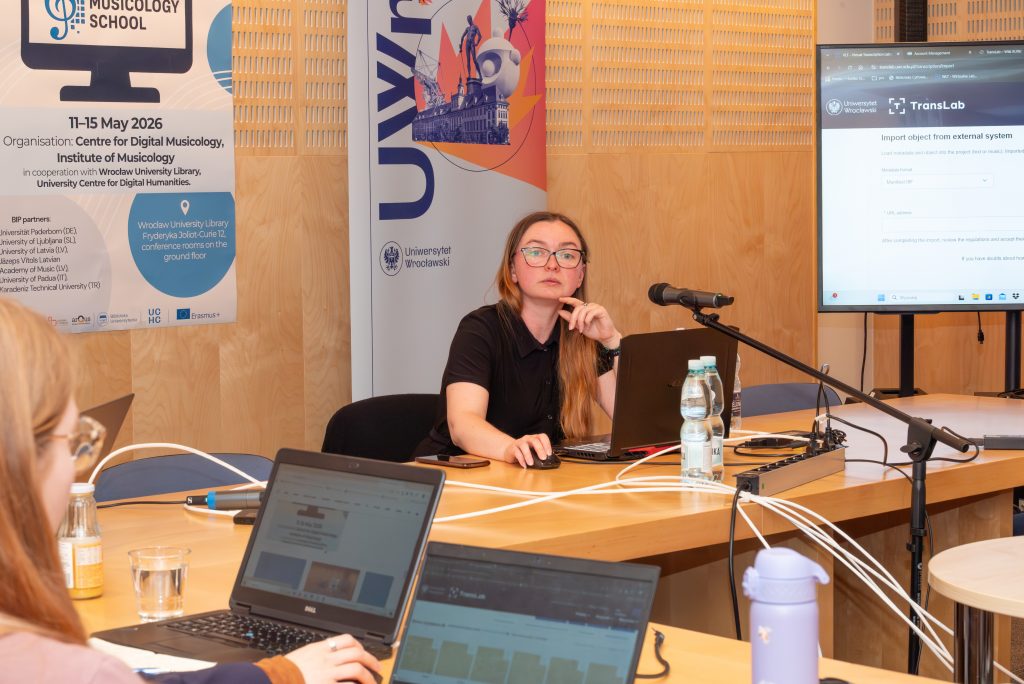
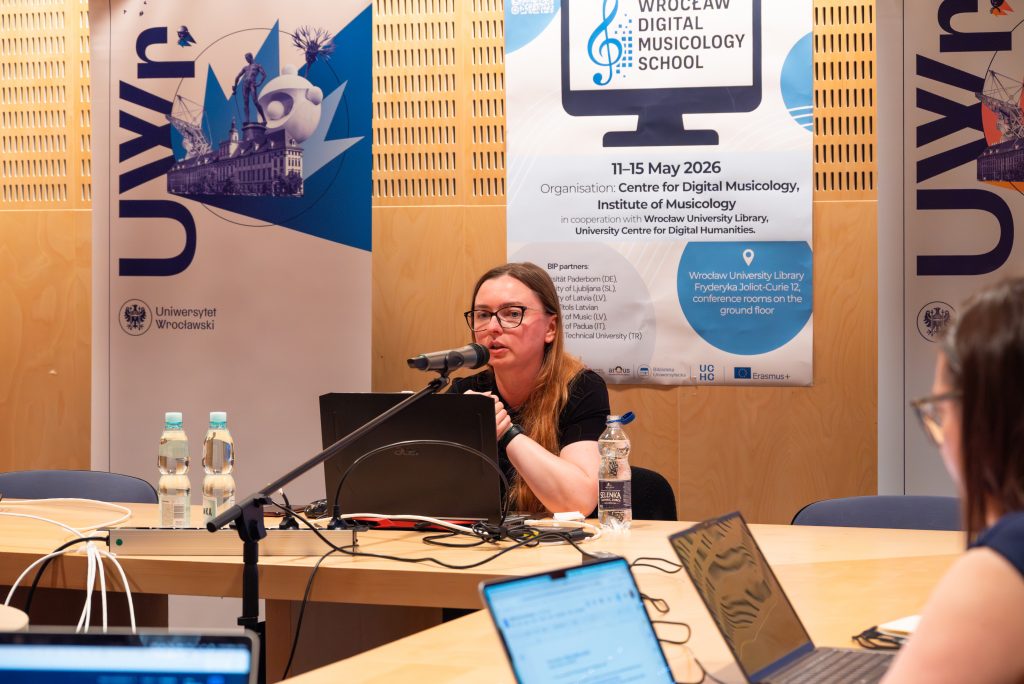
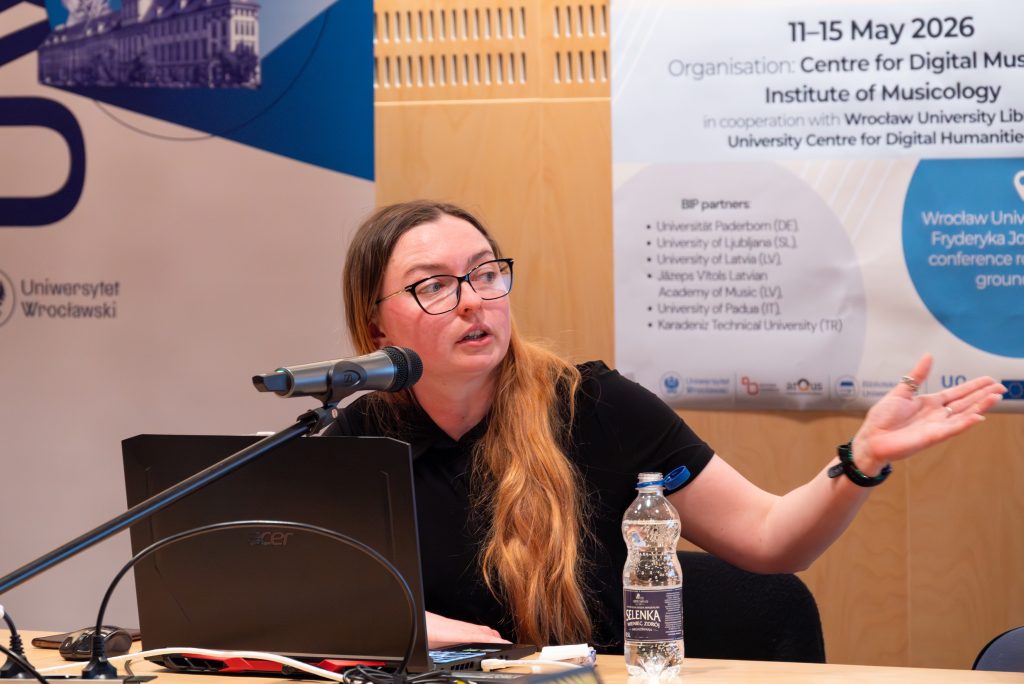
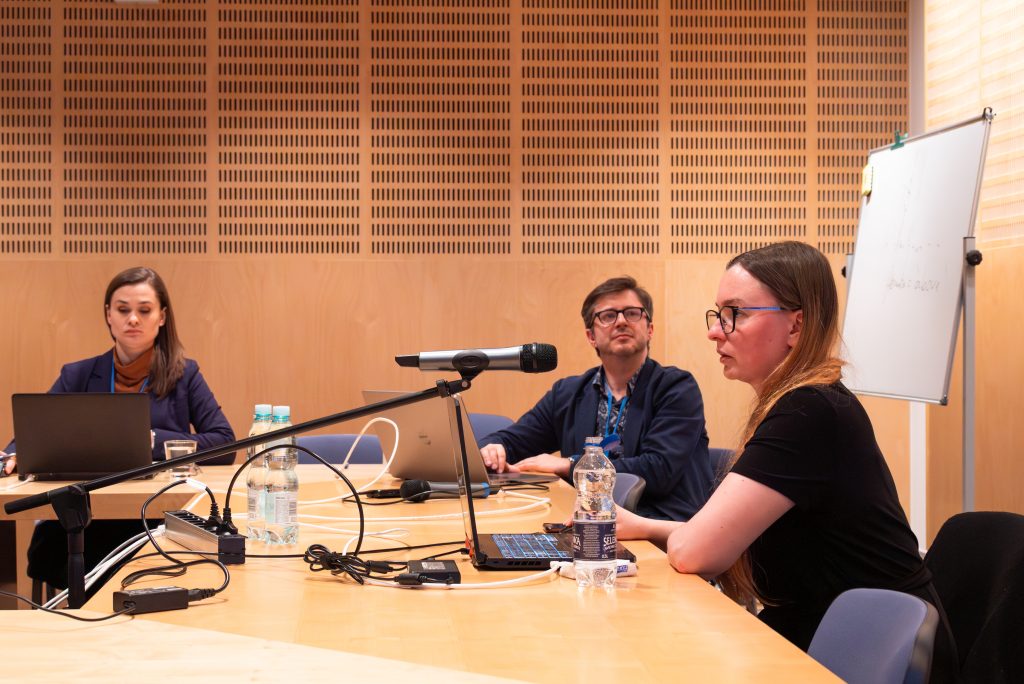
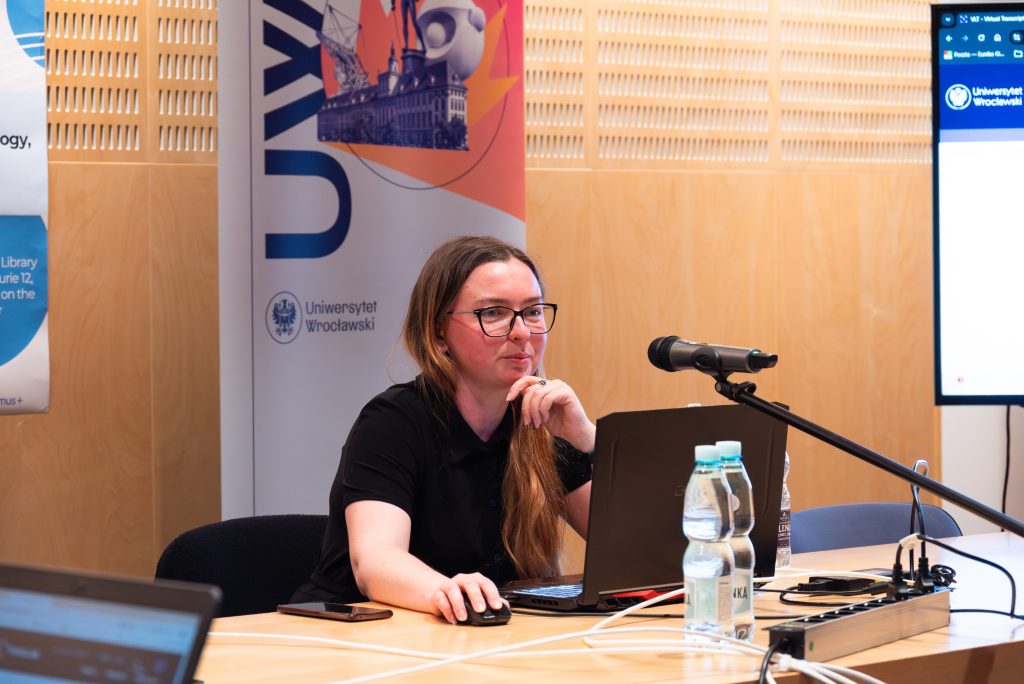
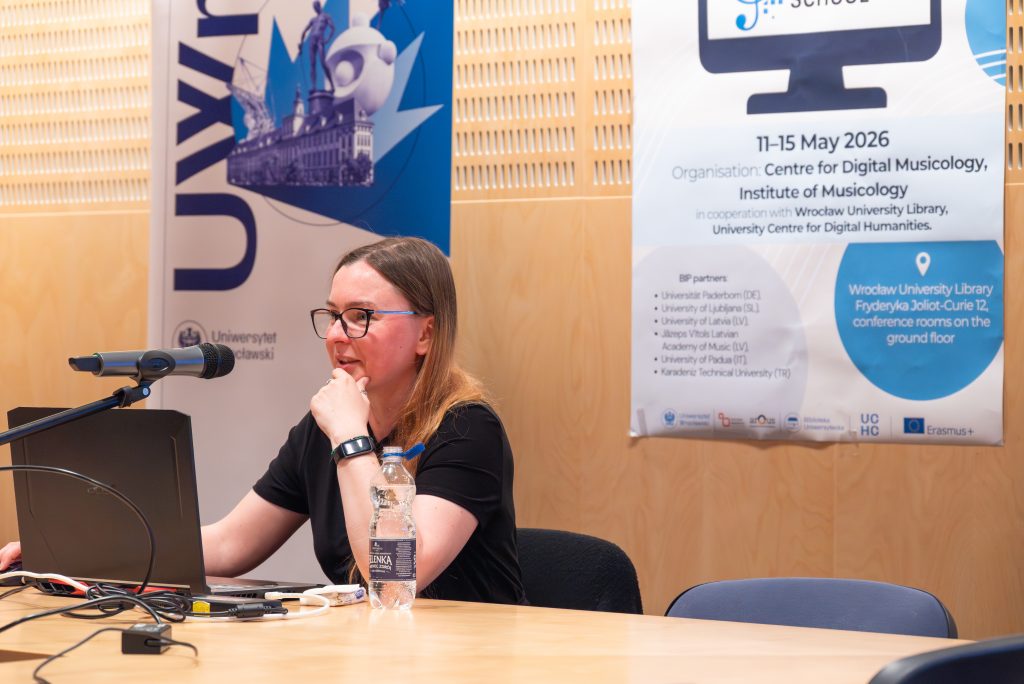
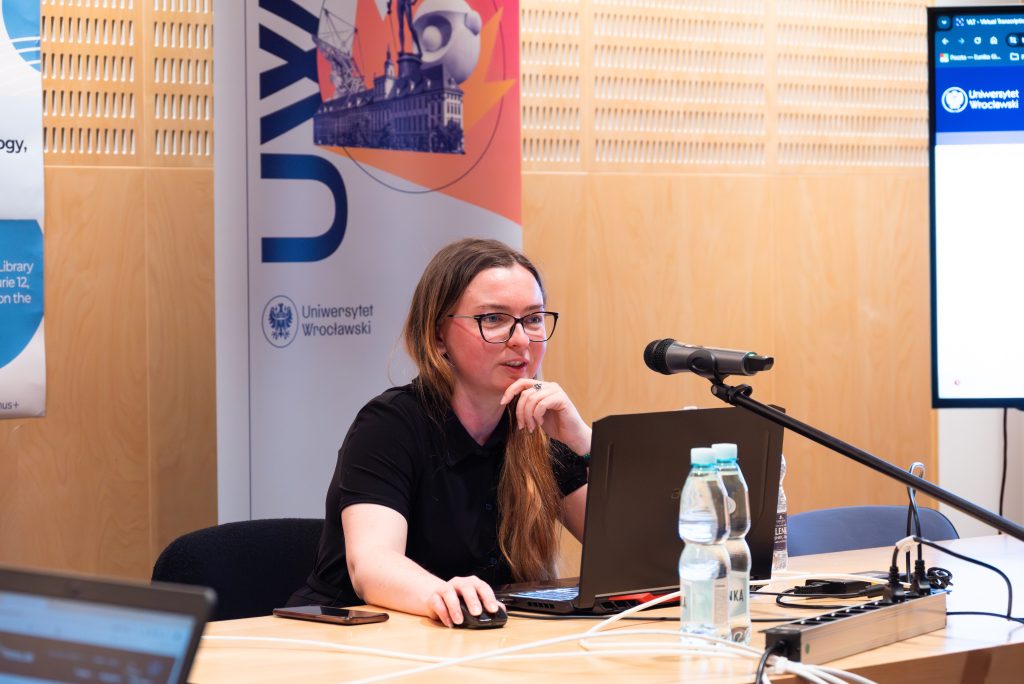
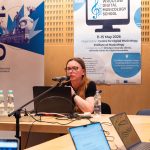
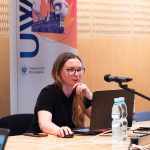
The next lecture was delivered by Eunika Kupis from the Digitization and Digital Services Department of the Wrocław University Library. In her presentation, Transcription of Manuscript Texts Using TransLab Services, she introduced the possibilities of TransLab, a system developed at the University of Wrocław for the transcription of handwritten texts, and discussed the research potential of such digital solutions.
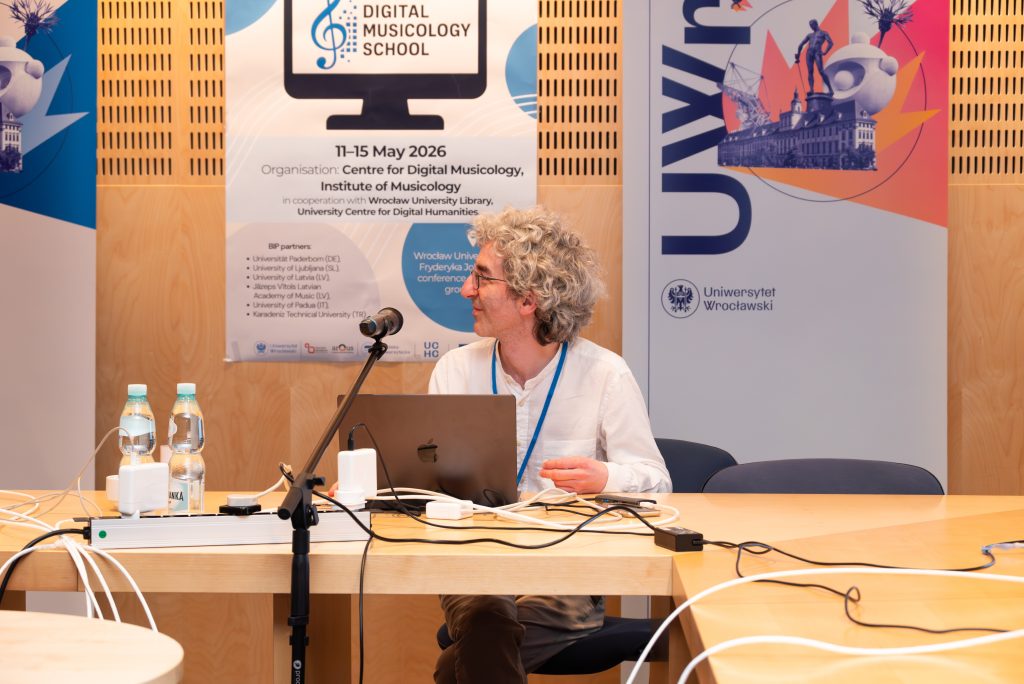
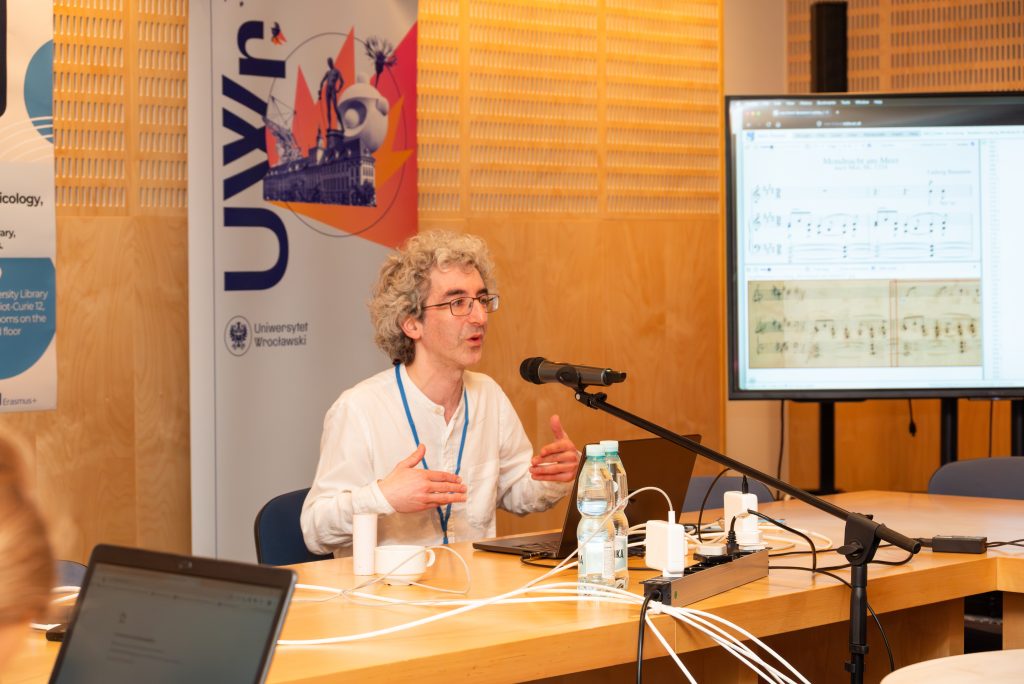
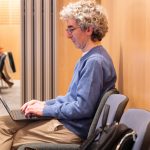
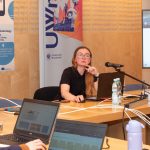
Another important part of the day was David Lewis’s lecture on the MEI (Music Encoding Initiative) community. He presented the activities of the MEI community, introduced the “MEI Friend” platform, and then moved towards a broader discussion on digital musicology itself. One of the key questions raised during the session was: who is a digital musicologist, and what does this role actually involve today?
During the lecture, David Lewis also presented major conferences, summer schools, and workshops dedicated to digital musicology, highlighting opportunities for students and researchers to develop their skills in this rapidly growing field. Among the initiatives mentioned was the Wrocław Digital Musicology School itself! It is a great distinction for our event, which appeared alongside internationally recognised programmes such as the summer schools organised in Paderborn and Oxford.
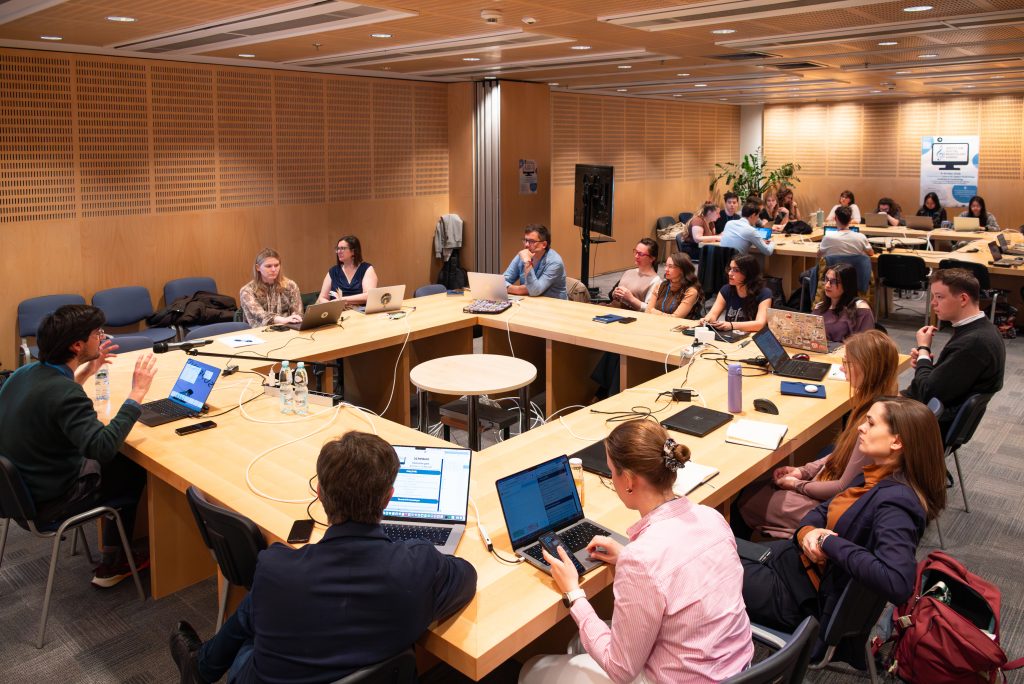
The lecture evolved into an inspiring discussion about the place of musicology in the contemporary world. Participants agreed that digital tools and “digital” competences can serve as an important bridge connecting different academic disciplines.
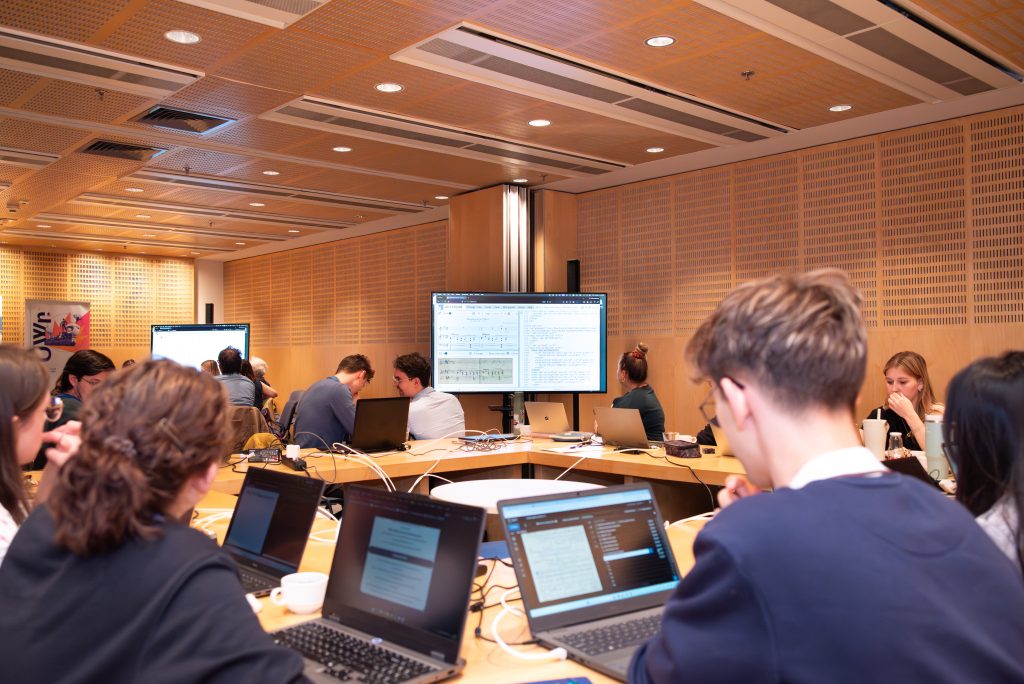
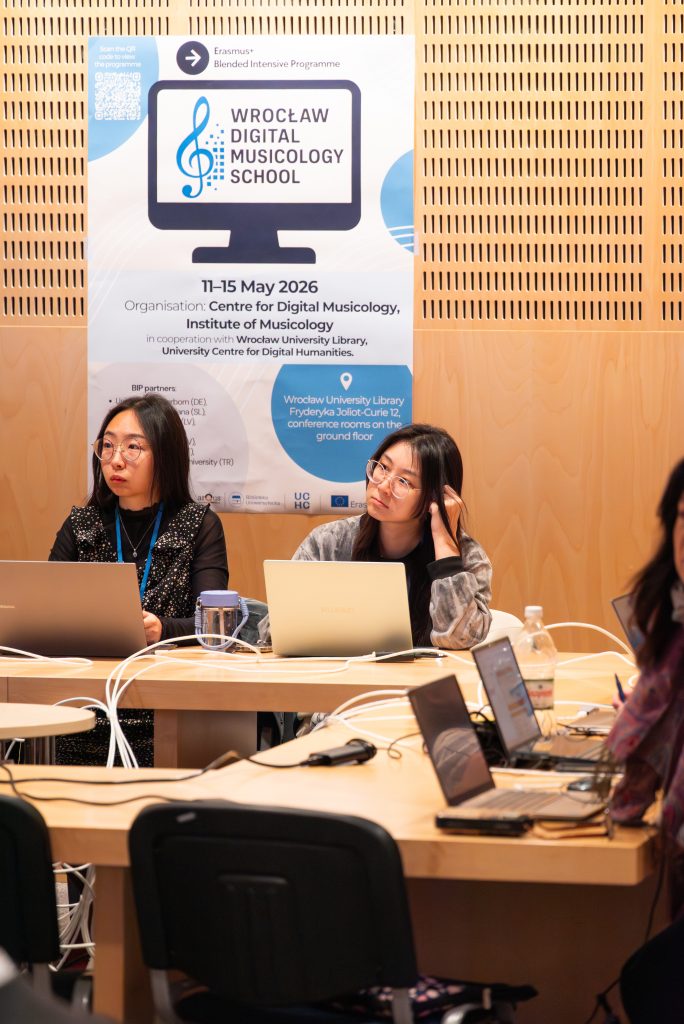
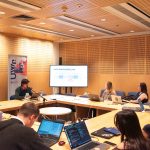
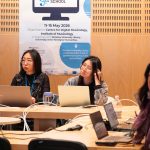
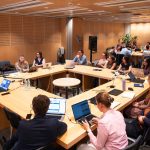
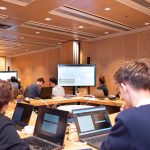
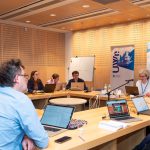
The day concluded with group workshops, during which participants consulted their final projects and assignments prepared using the MEI standard and the Humdrum environment.
Tomorrow will mark the concluding day of the Wrocław Digital Musicology School — but there are still a few exciting moments ahead of us… more soon!
Photos below: Grzegorz Pawlik/ Wrocław University Library